


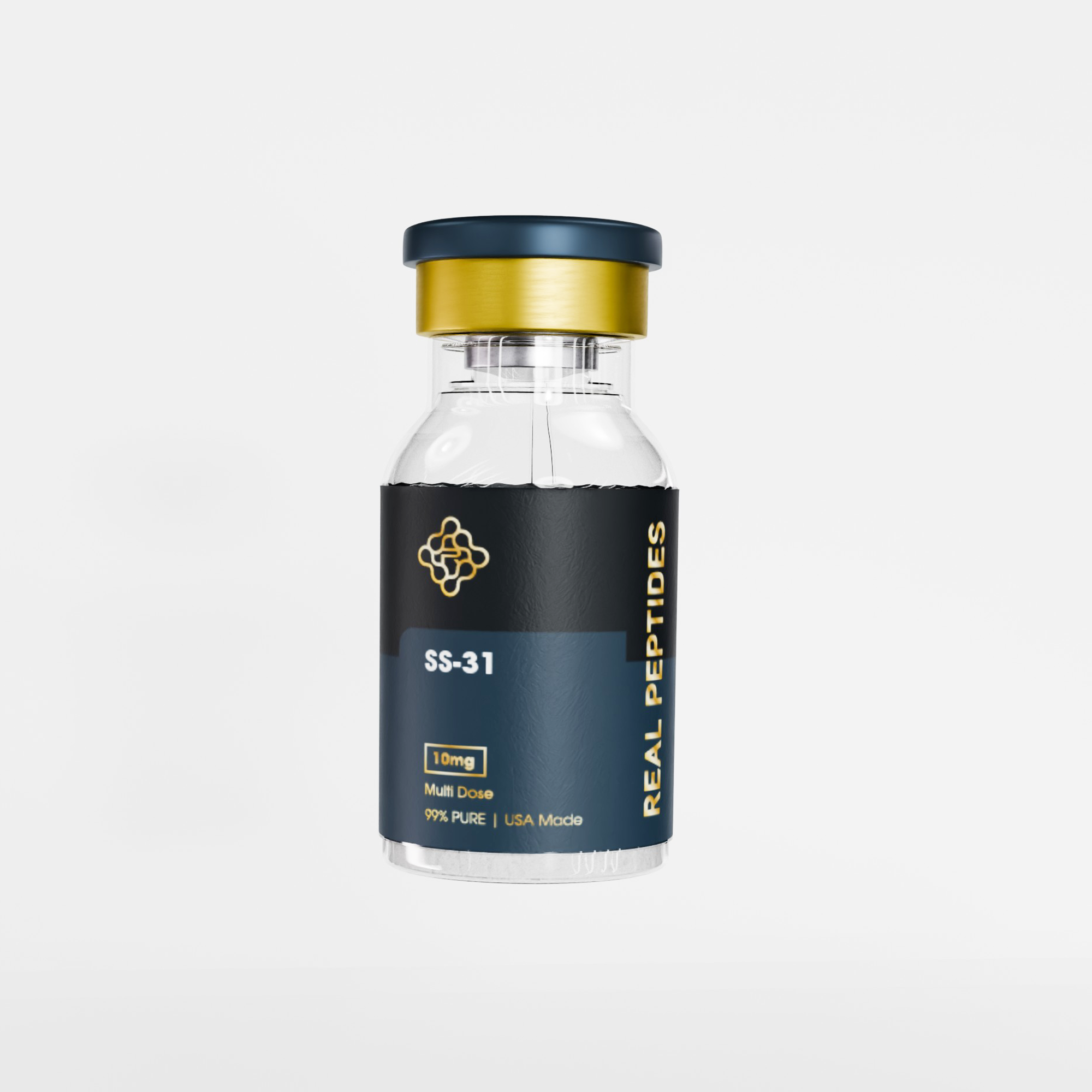
Below is a fully SEO-optimized long-form product page structure for:
Buy SS-31 Peptide (Elamipretide) | Mitochondrial Protection & ROS Research
Meta Description
Buy SS-31 Peptide (Elamipretide), a cutting-edge mitochondrial research compound studied for reactive oxygen species reduction, mitochondrial membrane protection, and cellular energy metabolism.
SS-31 Peptide (Elamipretide) – Advanced Mitochondrial Protection Research Compound
SS-31 Peptide is an advanced mitochondrial research compound widely studied for its ability to protect mitochondrial membranes, reduce oxidative stress, and support cellular energy production. Known scientifically as Elamipretide, the SS-31 Peptide has become one of the most significant compounds in modern mitochondrial biology research.
Unlike many compounds that influence metabolism indirectly, SS-31 Peptide targets the mitochondria directly. Mitochondria are responsible for producing the majority of cellular energy in the form of ATP. Damage to mitochondrial membranes can lead to reduced energy production, increased reactive oxygen species (ROS), and impaired cellular function.
The SS-31 Peptide works by selectively binding to cardiolipin, a specialized phospholipid located in the inner mitochondrial membrane. Cardiolipin plays a critical role in maintaining mitochondrial structure and enabling the electron transport chain to function efficiently. By stabilizing cardiolipin and protecting mitochondrial membranes, SS-31 Peptide helps preserve mitochondrial integrity and reduce oxidative damage.
Because of these properties, SS-31 Peptide has become a key compound in research investigating mitochondrial diseases, aging biology, metabolic dysfunction, and oxidative stress mechanisms.
Recent scientific investigations in 2025 and 2026 continue to explore how SS-31 Peptide may influence mitochondrial respiration, energy metabolism, and cellular resilience against oxidative stress.
Key Highlights of SS-31 Peptide (Elamipretide)
The SS-31 Peptide offers several unique advantages that make it a highly valuable compound for mitochondrial research.
Direct Mitochondrial Targeting
Unlike many compounds that influence cellular pathways indirectly, SS-31 Peptide targets mitochondria directly by binding to cardiolipin within the inner mitochondrial membrane. This allows researchers to study mitochondrial protection mechanisms more precisely.
Reactive Oxygen Species (ROS) Reduction
One of the most important research interests in SS-31 Peptide is its ability to reduce mitochondrial ROS production. Excessive ROS can damage cellular structures and contribute to oxidative stress.
Mitochondrial Energy Production Support
By stabilizing mitochondrial membranes, SS-31 Peptide may help maintain efficient electron transport chain activity, allowing cells to generate ATP more effectively.
Cellular Resilience Research
Scientists investigating cellular stress responses often study SS-31 Peptide because mitochondrial integrity plays a crucial role in cellular survival and energy balance.
2026 Research Relevance
Recent studies continue to examine how SS-31 Peptide may influence mitochondrial repair mechanisms, metabolic health, and cellular longevity.
Mechanism of Action – How SS-31 Peptide Works
The mechanism of SS-31 Peptide is centered on its interaction with mitochondrial membranes.
The compound specifically targets cardiolipin, a lipid located in the inner mitochondrial membrane that plays a critical role in energy production.
Cardiolipin Stabilization
Cardiolipin is essential for maintaining the structural integrity of the electron transport chain. Damage to cardiolipin can impair mitochondrial respiration and increase ROS production.
SS-31 Peptide binds to cardiolipin molecules and stabilizes the mitochondrial membrane structure. This stabilization helps preserve mitochondrial function even under conditions of oxidative stress.
Improved Electron Transport Chain Efficiency
The electron transport chain is responsible for producing ATP through oxidative phosphorylation.
When mitochondrial membranes are damaged, the efficiency of this process declines. By protecting cardiolipin, SS-31 Peptide may help maintain optimal electron transport chain performance.
Reduction of Reactive Oxygen Species
Reactive oxygen species are natural byproducts of mitochondrial metabolism, but excessive ROS can damage cellular structures.
Research suggests SS-31 Peptide may reduce ROS production by improving electron flow within the mitochondrial respiratory chain.
Key Benefits of SS-31 Peptide
Although SS-31 Peptide is primarily a research compound, several potential benefits have been observed in laboratory studies.
Mitochondrial Protection
The primary function of SS-31 Peptide is protecting mitochondrial membranes from oxidative damage.
Healthy mitochondria are essential for:
- cellular energy production
- metabolic balance
- tissue repair
- cellular resilience
Improved Cellular Energy Production
By maintaining efficient mitochondrial respiration, SS-31 Peptide may support consistent ATP production.
ATP is the main energy currency of cells and is required for nearly all biological processes.
Oxidative Stress Research
Because of its ROS-reducing properties, SS-31 Peptide is frequently used in studies investigating oxidative stress and cellular aging.
Mitochondrial Disease Research
Scientists studying mitochondrial disorders often investigate compounds like SS-31 Peptide because mitochondrial dysfunction plays a major role in these diseases.
Dosage & Administration (Research Use)
Research protocols involving SS-31 Peptide vary depending on the experimental design.
Common laboratory dosing methods include:
- microgram-level dosing in cell culture studies
- mg/kg dosing in animal research models
These controlled protocols allow researchers to study mitochondrial responses under different conditions.
Storage & Stability
Proper storage ensures the stability and integrity of SS-31 Peptide.
Recommended storage conditions:
- store in a refrigerator (2–8°C)
- protect from light exposure
- keep in a dry environment
- avoid repeated freeze-thaw cycles
Lyophilized peptide forms should remain sealed until reconstitution.
SS-31 Peptide vs Other Mitochondrial Research Compounds
The SS-31 Peptide differs significantly from other mitochondrial compounds.
Compared to Antioxidants
Traditional antioxidants neutralize ROS after they are produced.
SS-31 Peptide works upstream by stabilizing mitochondrial membranes, potentially preventing excessive ROS production.
Compared to NAD+ Boosters
NAD+ boosters improve mitochondrial metabolism indirectly.
SS-31 Peptide directly protects mitochondrial structure and function.
Compared to General Peptides
Many peptides influence hormones or growth pathways.
SS-31 Peptide uniquely targets mitochondrial membranes.
Safety & Research Status
The SS-31 Peptide remains a research compound currently studied in laboratory and clinical research environments.
It has not been approved for general therapeutic use in humans in most regulatory regions.
Researchers studying SS-31 Peptide should follow appropriate laboratory safety guidelines and experimental protocols.
Frequently Asked Questions
What is SS-31 Peptide used for?
SS-31 Peptide is primarily used in research studying mitochondrial protection, oxidative stress, and cellular energy metabolism.
How does SS-31 Peptide protect mitochondria?
The compound binds to cardiolipin in mitochondrial membranes, stabilizing their structure and improving electron transport chain efficiency.
Why is SS-31 Peptide important for mitochondrial research?
Mitochondrial dysfunction plays a major role in many diseases and aging processes. SS-31 Peptide provides researchers with a tool to study mitochondrial protection and repair mechanisms.
Is SS-31 Peptide approved for clinical use?
The compound is still primarily used in research settings and has not been widely approved for therapeutic use.
Conclusion – The Future of Mitochondrial Research with SS-31 Peptide
SS-31 Peptide represents one of the most promising mitochondrial research compounds currently under investigation. By directly targeting mitochondrial membranes and stabilizing cardiolipin, the SS-31 Peptide offers a unique approach to studying mitochondrial protection, oxidative stress reduction, and cellular energy production.
As mitochondrial biology continues to gain importance in modern science, compounds like SS-31 Peptide are helping researchers better understand how cells generate energy, resist oxidative damage, and maintain metabolic health.
With continued research and scientific investigation, SS-31 Peptide may provide valuable insights into mitochondrial function, aging biology, and cellular resilience.
1 review for Powerful SS-31 Peptide (Elamipretide) for Mitochondrial Protection & ROS Research
Add a review
Related products

Focus, Concentration, Clarity
Powerful Tesofensine 500 mcg Tablets for Appetite Control & Metabolic Research
Focus, Concentration, Clarity
Adamax Peptide 10 mg for Research | Mechanism, Benefits & Metabolic Studies
Focus, Concentration, Clarity
SLU-PP-332 Peptide – Advanced Metabolic Activation Research Compound

Focus, Concentration, Clarity
Buy Cagrilintide Peptide 10 mg | Amylin Analog for Metabolic & Obesity Research
Focus, Concentration, Clarity
Buy Tesamorelin & Ipamorelin Peptide Blend | Growth Hormone Peptide Stack Introduction to Tesa
Prof. Daniel Hoffmann –
We’ve been working with SS-31 (Elamipretide) in our mitochondrial function studies and have been very pleased with the overall quality. The material shows excellent stability and performs consistently across repeated ROS assays. Documentation and packaging were professional, and the ordering process was straightforward. A dependable choice for advanced laboratory research