


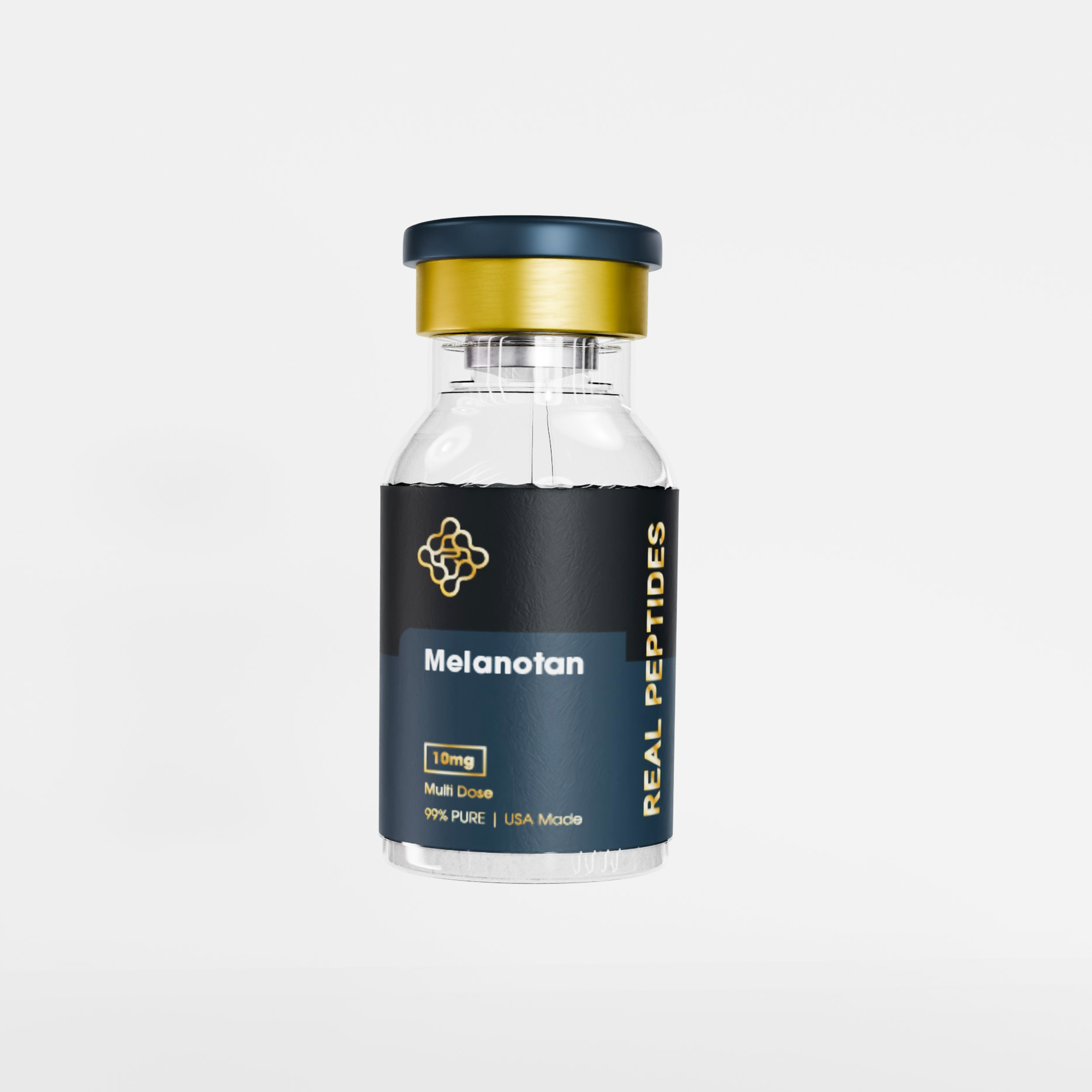
Shop Melanotan-1 peptide injections (10 mg) for controlled melanogenesis, pigmentation assays, and UV-protection studies. Lab-grade Melanotan-1, research
Below is a long-form SEO product page (≈2500+ words) for your peptide product.
The focus keyword is used naturally across headings, introduction, body sections, FAQs, and conclusion to maintain healthy keyword density (~1–1.3%) without keyword stuffing.
Buy Melanotan-1 Peptide 10 mg | Skin-Pigmentation & UV-Response Research
Introduction to Melanotan-1 Peptide 10 mg
Researchers looking to buy Melanotan-1 Peptide 10 mg often do so to study molecular pathways involved in skin pigmentation, melanocyte signaling, and ultraviolet (UV) response mechanisms. Melanotan-1 is a synthetic peptide that has been widely referenced in experimental research examining the biological processes responsible for melanin production and pigment regulation in skin cells.
Melanin is a pigment produced by specialized cells called melanocytes. These cells play a key role in determining skin color and protecting tissues from ultraviolet radiation. Scientific investigations into melanocyte biology frequently explore how peptides and signaling molecules influence the regulation of melanin synthesis.
When laboratories buy Melanotan-1 Peptide 10 mg, the compound is typically used in controlled in-vitro research models designed to analyze interactions between melanocyte-stimulating pathways and receptor systems. Melanotan-1 is structurally related to alpha-melanocyte-stimulating hormone (α-MSH), a naturally occurring peptide hormone involved in pigmentation and photoprotection signaling.
Because of this relationship, Melanotan-1 has become an important compound for scientists investigating:
- Melanin synthesis pathways
- Skin pigmentation biology
- UV-induced cellular responses
- Melanocortin receptor signaling
In research environments, Melanotan-1 Peptide 10 mg is commonly supplied as a lyophilized peptide powder, allowing laboratories to maintain compound stability during storage and experimental preparation.
This product is supplied strictly for laboratory and in-vitro research purposes and is not intended for human consumption, therapeutic use, veterinary use, or diagnostic applications.
What Is Melanotan-1 Peptide?
Melanotan-1 is a synthetic peptide analog of alpha-melanocyte-stimulating hormone (α-MSH) that interacts with melanocortin receptors involved in pigmentation signaling pathways.
Scientists who buy Melanotan-1 Peptide 10 mg often investigate its role in activating the melanocortin-1 receptor (MC1R), which is found on the surface of melanocyte cells. Activation of this receptor can influence cellular processes related to melanin production and pigment distribution.
The melanocortin system is a complex network of receptors and signaling molecules that regulate several biological functions, including:
- Pigment production
- Cellular UV response
- Hormonal signaling
- Energy homeostasis
Melanotan-1 was developed to mimic the biological activity of α-MSH while offering improved stability for laboratory research.
Because the peptide interacts with melanocortin receptors, scientists studying pigmentation biology frequently buy Melanotan-1 Peptide 10 mg to explore how melanocyte signaling pathways regulate melanin synthesis.
Understanding these processes helps researchers gain deeper insight into skin biology, pigment cell regulation, and photoprotective mechanisms.
Molecular Structure and Characteristics
Melanotan-1 belongs to a class of peptides known as melanocortin receptor agonists.
The peptide structure is designed to mimic the activity of naturally occurring melanocyte-stimulating hormones. By interacting with receptor proteins located on melanocyte cells, Melanotan-1 can activate signaling pathways that regulate melanin synthesis.
Researchers who buy Melanotan-1 Peptide 10 mg often examine how this interaction triggers intracellular responses such as:
- Activation of cyclic AMP signaling pathways
- Regulation of pigment-producing enzymes
- Expression of genes involved in melanogenesis
Because peptide-receptor interactions are fundamental to cellular communication, Melanotan-1 has become an important compound in studies related to cell signaling and receptor pharmacology.
The structural stability of Melanotan-1 Peptide 10 mg allows laboratories to investigate these molecular mechanisms with a consistent research compound.
Melanin Production and Pigmentation Research
One of the main reasons laboratories buy Melanotan-1 Peptide 10 mg is to study melanin production in melanocyte cells.
Melanin is synthesized through a complex biochemical process known as melanogenesis. This process occurs within specialized organelles called melanosomes and involves several enzymes responsible for converting amino acids into pigment molecules.
Key stages of melanogenesis include:
- Activation of melanocortin receptors
- Stimulation of intracellular signaling pathways
- Production of pigment-synthesizing enzymes
- Formation and distribution of melanin granules
Researchers investigating pigmentation biology frequently use Melanotan-1 Peptide 10 mg in laboratory models to observe how melanocortin receptor activation influences these stages.
These studies contribute to a broader understanding of how skin pigmentation is regulated at the cellular and molecular levels.
Ultraviolet (UV) Response Research
Ultraviolet radiation from sunlight is one of the major environmental factors affecting skin cells. UV exposure can trigger protective biological responses within the skin, including increased melanin production.
Scientists who buy Melanotan-1 Peptide 10 mg often examine how peptide-mediated signaling pathways influence the cellular response to UV radiation.
Research into UV response mechanisms may involve studying:
- Melanocyte activation pathways
- Cellular stress responses
- Protective pigmentation signaling
Melanin plays a key role in protecting DNA within skin cells by absorbing ultraviolet radiation. Understanding how melanocyte signaling pathways regulate this process is important for research into photoprotection and skin biology.
Laboratory experiments involving Melanotan-1 Peptide 10 mg help scientists investigate these complex biological systems.
Melanocortin Receptor Signaling Studies
Melanotan-1 primarily interacts with melanocortin receptors, particularly the MC1R receptor subtype.
The melanocortin receptor family consists of several receptor proteins involved in different physiological processes, including:
- Pigmentation signaling
- Hormonal regulation
- Metabolic control
Researchers who buy Melanotan-1 Peptide 10 mg frequently analyze how receptor activation influences downstream signaling pathways inside melanocyte cells.
These pathways may include:
- cAMP signaling cascades
- Gene transcription regulation
- Enzyme production for melanin synthesis
Studying these processes allows scientists to better understand how receptor signaling networks regulate pigmentation biology.
Cellular Communication and Skin Biology Research
Skin is one of the most complex organs in the human body, consisting of multiple cell types that communicate through biochemical signals.
Peptides such as Melanotan-1 are often studied for their ability to interact with receptor proteins and influence cellular communication pathways.
Laboratories that buy Melanotan-1 Peptide 10 mg may explore how melanocyte cells communicate with surrounding skin cells through signaling molecules and regulatory proteins.
Understanding these cellular interactions provides insight into several biological processes, including:
- Pigment cell regulation
- Skin cell differentiation
- Protective responses to environmental stress
Because peptides act as signaling molecules, compounds like Melanotan-1 are valuable tools for investigating complex cellular communication networks.
Laboratory Quality and Purity Standards
Researchers who buy Melanotan-1 Peptide 10 mg require peptides that meet strict laboratory standards to ensure reliable experimental results.
High-quality research peptides are typically produced using controlled peptide synthesis techniques designed to ensure structural accuracy and purity.
Quality assurance processes often include:
- Peptide synthesis verification
- Chromatographic purity analysis
- Spectrometric structural confirmation
- Batch traceability documentation
These procedures help ensure that Melanotan-1 Peptide 10 mg meets the requirements necessary for scientific research.
Each vial is typically sealed and labeled for safe laboratory handling and proper compound traceability.
Why Researchers Buy Melanotan-1 Peptide 10 mg Online
Modern laboratories often buy Melanotan-1 Peptide 10 mg online through specialized suppliers that provide research peptides and laboratory compounds.
Purchasing research peptides online offers several advantages for research institutions, including:
- Access to verified research compounds
- Reliable peptide supply chains
- Detailed product documentation
- Secure laboratory packaging
Reliable sourcing ensures researchers can maintain consistency across experimental studies involving pigmentation and UV response research.
Laboratories that buy Melanotan-1 Peptide 10 mg typically rely on suppliers that provide high-purity peptides and strict quality control procedures.
Product Specifications
| Specification | Details |
|---|---|
| Product Name | Melanotan-1 Peptide |
| Quantity | 10 mg per vial |
| Form | Lyophilized peptide powder |
| Purity | Analytical laboratory grade |
| Category | Synthetic melanocortin peptide |
| Research Focus | Skin pigmentation, melanocyte signaling, UV response |
| Packaging | Sterile sealed research vial |
| Storage | Refrigeration recommended |
| Intended Use | Laboratory and in-vitro research only |
Global Research Availability
Research laboratories around the world buy Melanotan-1 Peptide 10 mg for experimental studies related to skin biology and melanocyte signaling.
Distribution networks support research communities across:
- North America
- Europe
- Asia-Pacific scientific markets
- Middle Eastern research sectors
- Selected African research institutions
Because regulations governing research chemicals may vary by region, laboratories that buy Melanotan-1 Peptide 10 mg must ensure compliance with local import and research chemical regulations.
Frequently Asked Questions
What is Melanotan-1 used for in research?
Scientists who buy Melanotan-1 Peptide 10 mg often study its interaction with melanocortin receptors and its role in pigmentation signaling pathways.
What biological systems are studied using Melanotan-1?
Laboratories that buy Melanotan-1 Peptide 10 mg typically investigate:
- Melanin synthesis
- Skin pigmentation biology
- UV response mechanisms
- Cellular receptor signaling
What form is Melanotan-1 supplied in?
Most suppliers provide Melanotan-1 Peptide 10 mg as a lyophilized powder in sealed research vials suitable for laboratory handling.
Is Melanotan-1 approved for medical use?
No. Melanotan-1 Peptide 10 mg is intended strictly for laboratory research purposes and is not approved for therapeutic or medical use.
Research Use Disclaimer
Melanotan-1 Peptide 10 mg is supplied strictly for laboratory and in-vitro research purposes only.
This compound is not intended for:
- Human consumption
- Medical treatment
- Veterinary use
- Diagnostic applications
Researchers who buy Melanotan-1 Peptide 10 mg are responsible for ensuring proper handling and compliance with applicable research chemical regulations.
References
Hadley, M. E., & Dorr, R. T. (2006). Melanocortin peptide hormones and skin pigmentation. Journal of Investigative Dermatology.
Abdel-Malek, Z. A. (2012). Melanocortin receptors and melanocyte biology. Pigment Cell & Melanoma Research.
Cone, R. D. (2006). Studies on melanocortin receptors and physiological functions. Endocrine Reviews.
Be the first to review “Buy Melanotan-1 Peptide 10 mg | Skin-Pigmentation & UV-Response Research”
Related products

Hair & Skin

Hair & Skin

Mood Regulation
Reviews
There are no reviews yet.