


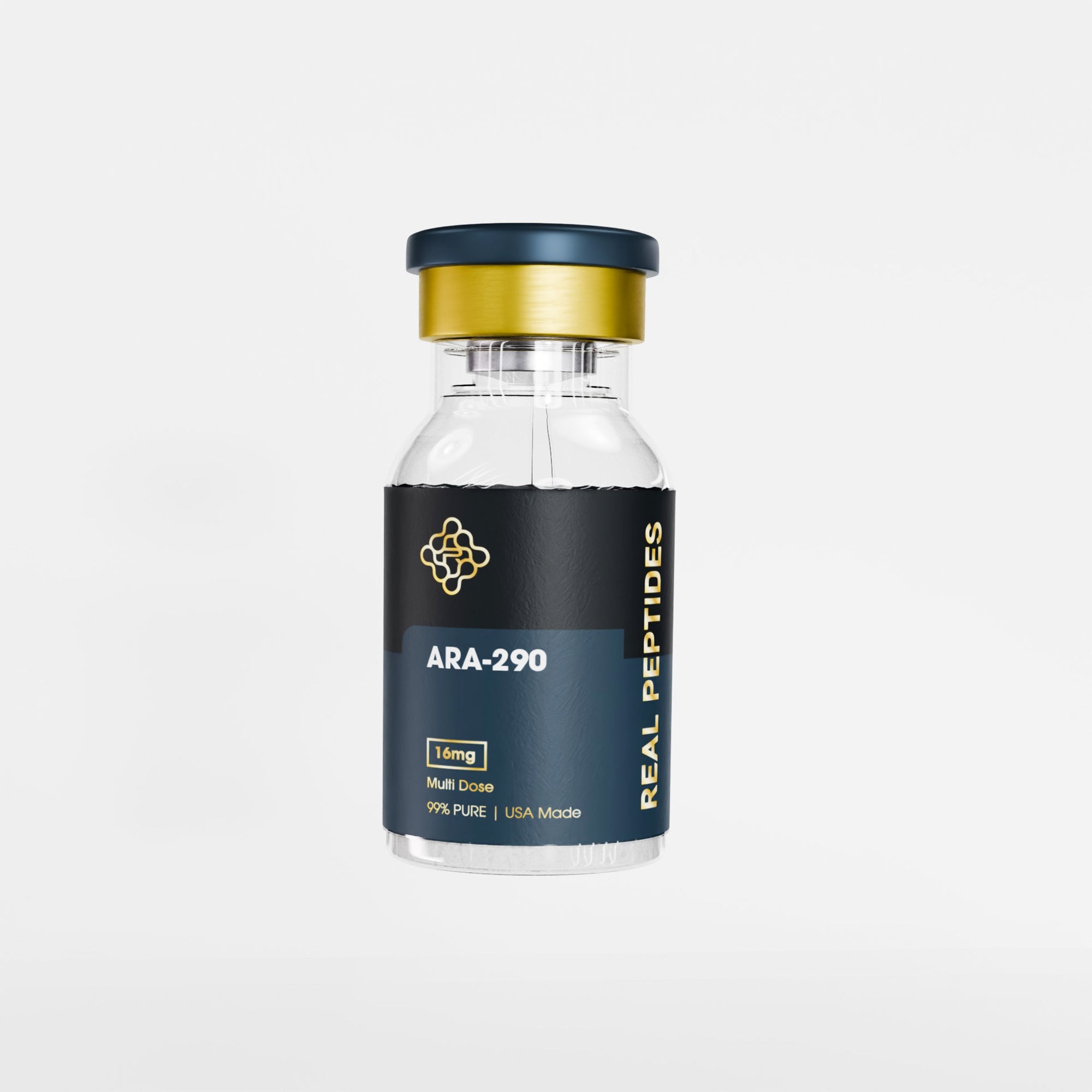
Buy ARA-290 Peptide 16 mg Online
Buy ARA-290 Peptide 16 mg online from a trusted supplier of laboratory-grade research peptides designed for advanced scientific investigation. ARA-290, also known as Cibinetide, is a synthetic peptide derived from erythropoietin (EPO) that has gained attention in research focused on inflammation regulation, cellular protection, and tissue-repair mechanisms.
In experimental environments, peptides derived from erythropoietin are studied for their ability to activate protective signaling pathways without stimulating red blood cell production. ARA-290 is specifically engineered to selectively activate the innate repair receptor (IRR), which is associated with cytoprotective signaling, anti-inflammatory responses, and tissue regeneration processes.
Because of these properties, ARA-290 has become an important compound in research fields investigating neuroinflammation, metabolic signaling, neuropathic pathways, and cellular repair processes.
The ARA-290 Peptide 16 mg vial is produced using controlled peptide synthesis methods and packaged for professional laboratory environments. This compound is supplied strictly for research use only and is not intended for human consumption, medical treatment, veterinary use, or diagnostic purposes.
What Is ARA-290 Peptide?
ARA-290 is a synthetic peptide consisting of 11 amino acids derived from the helix-B region of erythropoietin (EPO). Unlike full-length erythropoietin, which stimulates red blood cell production, ARA-290 has been engineered to activate protective biological pathways without inducing erythropoiesis.
This selectivity makes ARA-290 a valuable tool for studying the tissue-protective signaling mechanisms associated with EPO while avoiding hematologic side effects.
In research models, ARA-290 interacts with the innate repair receptor (IRR)—a receptor complex formed by the erythropoietin receptor (EPOR) and the β-common receptor (CD131). Activation of this receptor triggers intracellular signaling pathways that regulate inflammation, cellular survival, and tissue repair.
Because this receptor is typically expressed during cellular stress or injury, researchers use ARA-290 to study how cells respond to inflammatory damage and tissue trauma.
Molecular Structure and Chemical Profile
Understanding the molecular characteristics of a peptide is essential for researchers studying receptor interactions and biochemical signaling.
Chemical Profile of ARA-290 (Cibinetide):
-
Peptide Length: 11 amino acids
-
Molecular Formula: C₅₁H₈₄N₁₆O₂₁
-
Molecular Weight: ~1257.4 g/mol
-
CAS Number: 1208243-50-8
-
Peptide Category: EPO-derived tissue-protective peptide
-
Synonyms: Cibinetide, ARA-290, PHBSP
These characteristics allow ARA-290 to maintain stability while interacting effectively with receptor signaling pathways associated with cellular protection.
Mechanism of Action in Research Models
The primary biological mechanism studied with ARA-290 involves its interaction with the innate repair receptor (IRR).
Innate Repair Receptor Activation
The innate repair receptor is activated primarily during tissue injury or inflammatory stress. When ARA-290 binds to this receptor complex, it triggers intracellular signaling cascades associated with cellular survival and tissue protection.
Key signaling pathways studied include:
-
JAK2-STAT signaling
-
PI3K-Akt survival pathways
-
NF-κB inflammatory regulation
These pathways regulate processes such as apoptosis inhibition, inflammatory signaling, and cellular resilience.
Activation of these pathways can help reduce inflammatory responses and support tissue repair mechanisms in experimental models.
Anti-Inflammatory Cytokine Modulation
Research suggests that ARA-290 can influence inflammatory signaling by reducing the expression of certain pro-inflammatory cytokines such as TNF-α and IL-6.
Cytokines play an essential role in immune communication and inflammation regulation, making them important targets for studies involving inflammatory disorders and tissue injury.
Cellular Protection and Anti-Apoptotic Activity
Another key research area focuses on the peptide’s ability to influence anti-apoptotic signaling pathways, which help protect cells from programmed cell death during periods of stress or injury.
Experimental studies examining ischemia-reperfusion injury models have observed reduced cellular damage when these pathways are activated.
Research Areas Involving ARA-290 Peptide
ARA-290 is referenced in several areas of biomedical research related to inflammation, tissue regeneration, and cellular signaling.
Neuroinflammation Research
Neuroinflammation is a biological process involving immune responses within the nervous system.
Researchers studying neurological disorders often examine peptides that influence inflammatory pathways affecting neurons and glial cells.
ARA-290 is studied in laboratory models investigating how peptide signaling can influence inflammatory responses in neural tissues.
Neuropathic Pain and Nerve Repair Studies
Damage to peripheral nerves can lead to neuropathic pain and disrupted nerve signaling.
Experimental research suggests that ARA-290 may support mechanisms involved in nerve regeneration and neuronal survival.
Some studies have explored its potential influence on intra-epidermal nerve fiber density, a marker associated with nerve repair processes.
These investigations help scientists understand how peptide signaling may support nerve regeneration in experimental models.
Tissue Protection and Cellular Repair
Tissue damage resulting from injury or metabolic stress often triggers inflammatory responses and cellular apoptosis.
Scientists studying tissue repair mechanisms analyze peptides capable of activating protective cellular pathways.
ARA-290 has been examined in laboratory experiments involving:
-
Skin tissue repair
-
Kidney injury models
-
Cardiac ischemia models
-
Microvascular injury research
These models allow researchers to explore how peptide signaling influences tissue regeneration and healing processes.
Immune System Signaling
The immune system relies on complex communication networks to regulate inflammatory responses and tissue repair.
Peptide compounds such as ARA-290 are studied for their ability to influence immune signaling pathways associated with inflammation resolution.
Understanding how peptides regulate immune responses may help researchers identify new mechanisms for controlling inflammatory diseases.
Metabolic and Endothelial Research
Metabolic disorders and vascular dysfunction often involve inflammatory signaling within endothelial tissues.
Researchers investigate peptides that interact with endothelial signaling pathways and metabolic regulatory networks.
ARA-290 has been examined in research models studying insulin sensitivity markers and vascular signaling mechanisms.
Advantages of ARA-290 in Research
Several characteristics make ARA-290 particularly valuable for scientific investigation.
Selective Receptor Activation
Unlike erythropoietin, ARA-290 selectively activates tissue-protective receptors without affecting red blood cell production.
Targeted Anti-Inflammatory Signaling
The peptide modulates inflammatory cytokine activity while promoting cellular survival pathways.
Small Peptide Structure
With only 11 amino acids, ARA-290 has excellent tissue penetration and stability for research studies.
Broad Research Applications
Its mechanism allows investigation across multiple fields including neuroscience, immunology, and regenerative biology.
Laboratory Quality and Purity Standards
Research peptides must meet strict quality standards to ensure consistent experimental outcomes.
High-quality ARA-290 peptides are typically produced using controlled peptide synthesis techniques followed by analytical verification.
Common quality verification methods include:
-
High-performance liquid chromatography (HPLC)
-
Mass spectrometry sequence verification
-
Endotoxin testing
-
Sterile vial packaging
These procedures help maintain reproducibility across scientific studies.
Product Specifications
| Specification | Details |
|---|---|
| Product Name | ARA-290 Peptide |
| Alternative Name | Cibinetide |
| Quantity | 16 mg per vial |
| Form | Lyophilized peptide powder |
| Peptide Length | 11 amino acids |
| Molecular Weight | ~1257.4 g/mol |
| Research Focus | Inflammation modulation, tissue repair |
| Category | Synthetic research peptide |
| Storage | Refrigerated laboratory storage recommended |
| Intended Use | Laboratory research only |
Global Research Availability
ARA-290 peptides are distributed through research chemical suppliers serving laboratories worldwide.
Research institutions across several regions study peptide signaling and tissue repair mechanisms, including:
-
North America
-
Europe
-
Asia-Pacific
-
Middle Eastern research sectors
-
Selected African research laboratories
Regulatory requirements for research peptides may vary by jurisdiction, and buyers should verify compliance with local regulations before importing research compounds.
Frequently Asked Questions
What is ARA-290 peptide used for in research?
ARA-290 is studied in laboratory environments investigating inflammation regulation, nerve repair mechanisms, and tissue-protective signaling pathways.
Is ARA-290 the same as Cibinetide?
Yes. ARA-290 is also known as Cibinetide, a synthetic peptide derived from erythropoietin that activates tissue-protective receptor pathways.
Does ARA-290 stimulate red blood cell production?
No. Unlike erythropoietin, ARA-290 selectively activates tissue-protective receptors without triggering erythropoiesis.
What scientific fields study ARA-290?
ARA-290 research appears in several fields including:
-
Neuroscience
-
Immunology
-
Tissue regeneration
-
Molecular biology
-
Neurovascular research
How should ARA-290 peptides be stored?
Lyophilized peptides should generally be stored under refrigerated or frozen conditions according to laboratory chemical storage guidelines.
Research Use Disclaimer
ARA-290 Peptide 16 mg is supplied strictly for laboratory and scientific research purposes only.
This compound is not intended for human consumption, medical treatment, veterinary use, or diagnostic applications. Handling should be performed only by trained professionals within properly equipped research environments.
References
Brines, M., & Cerami, A. (2005). The innate repair receptor and tissue protection mechanisms.
Wang, X., et al. (2024). Peptide-mediated macrophage efferocytosis in inflammatory models.
Scientific literature describing the signaling mechanisms of erythropoietin-derived peptides in tissue repair and inflammation pathways.
Be the first to review “Buy ARA-290 Peptide 16 mg | Cibinetide for Inflammation & Tissue-Repair Research”
Related products
Cognitive & Nootropic
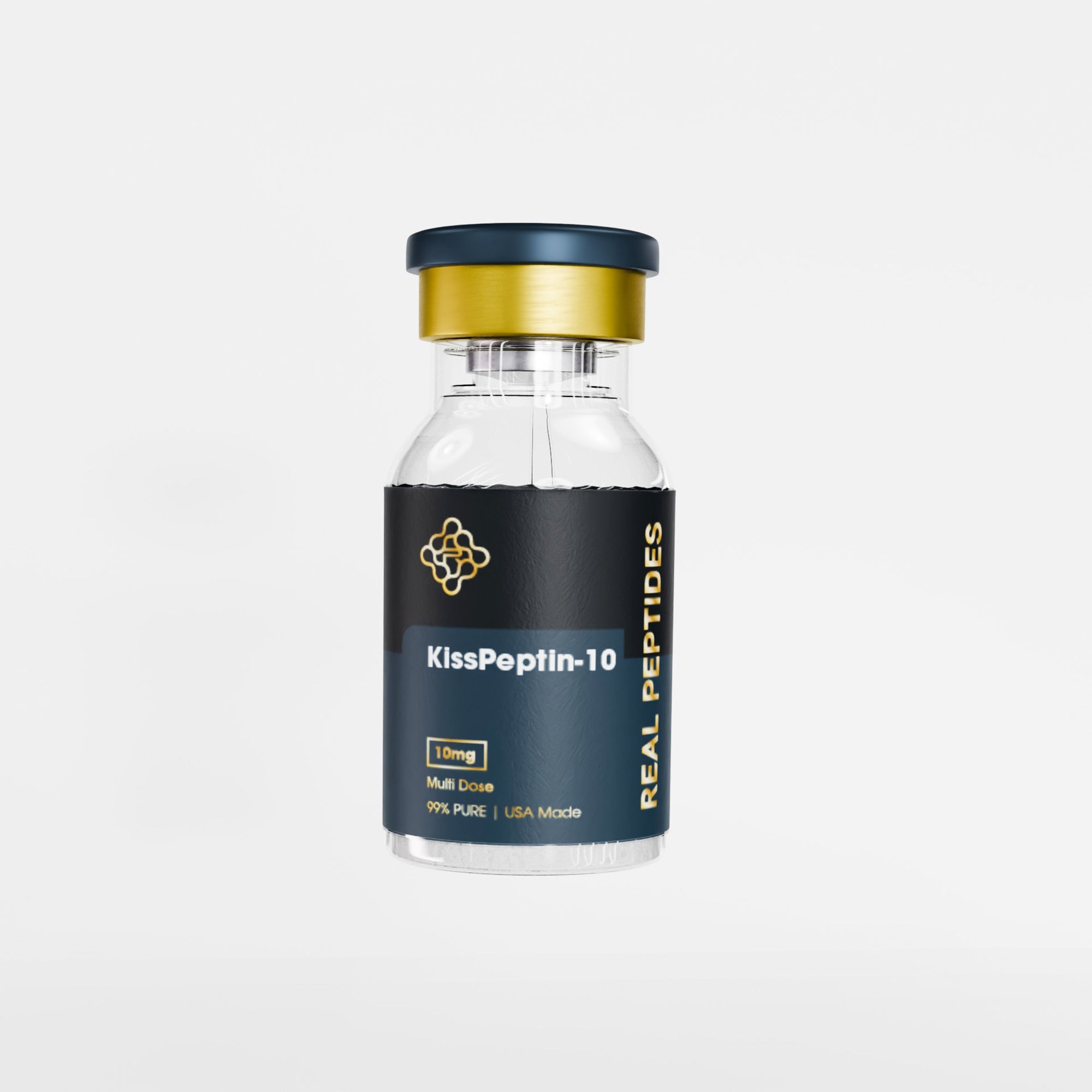
Buy Kisspeptin-10 Peptide 10mg | Reproductive & Neuroendocrine Research

Cognitive & Nootropic
BAC Reconstitution Water for Peptides – Bacteriostatic Mixing Solution

Cognitive & Nootropic
Buy Cerebrolysin Peptide | Injections for Neuroprotection & Cognitive Research
Cognitive & Nootropic
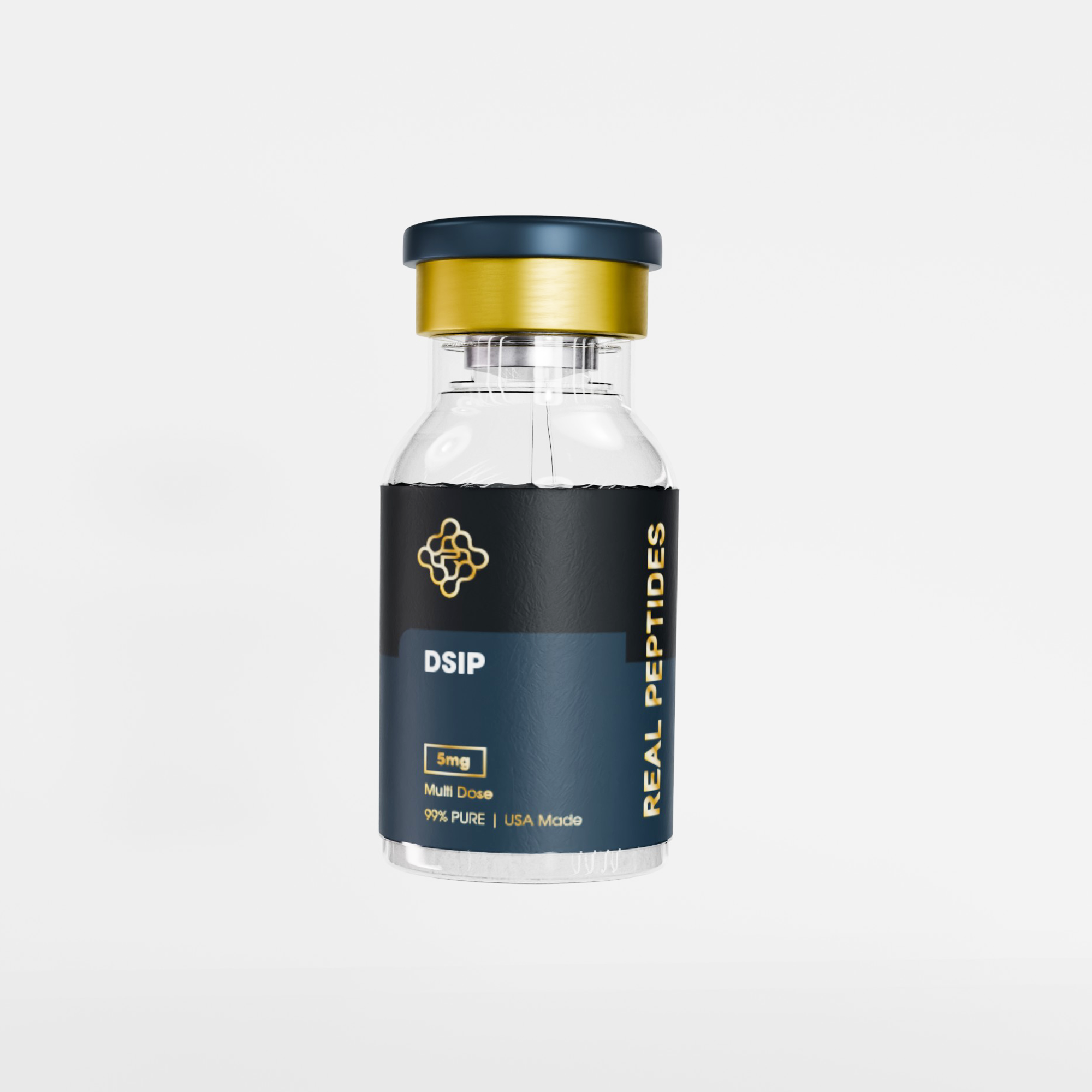
Buy DSIP Peptide 5 mg | Sleep-Regulation & Stress-Response Research
Cognitive & Nootropic
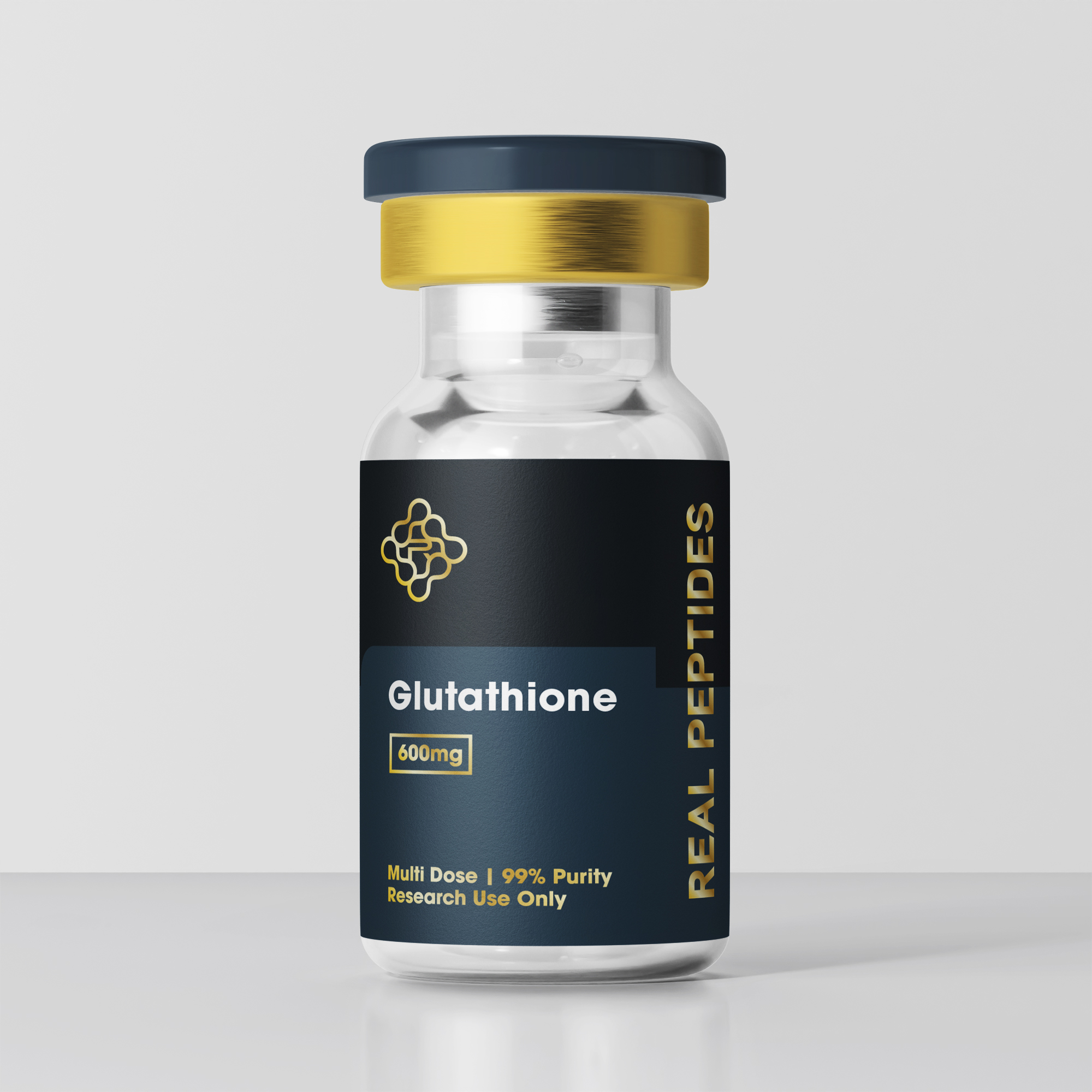
Glutathione Injection – Injectable Supplement Antioxidant Support
Cognitive & Nootropic
Powerful Dihexa Peptide – Cognitive Enhancing Peptide Tablets for Brain Research
Reviews
There are no reviews yet.