


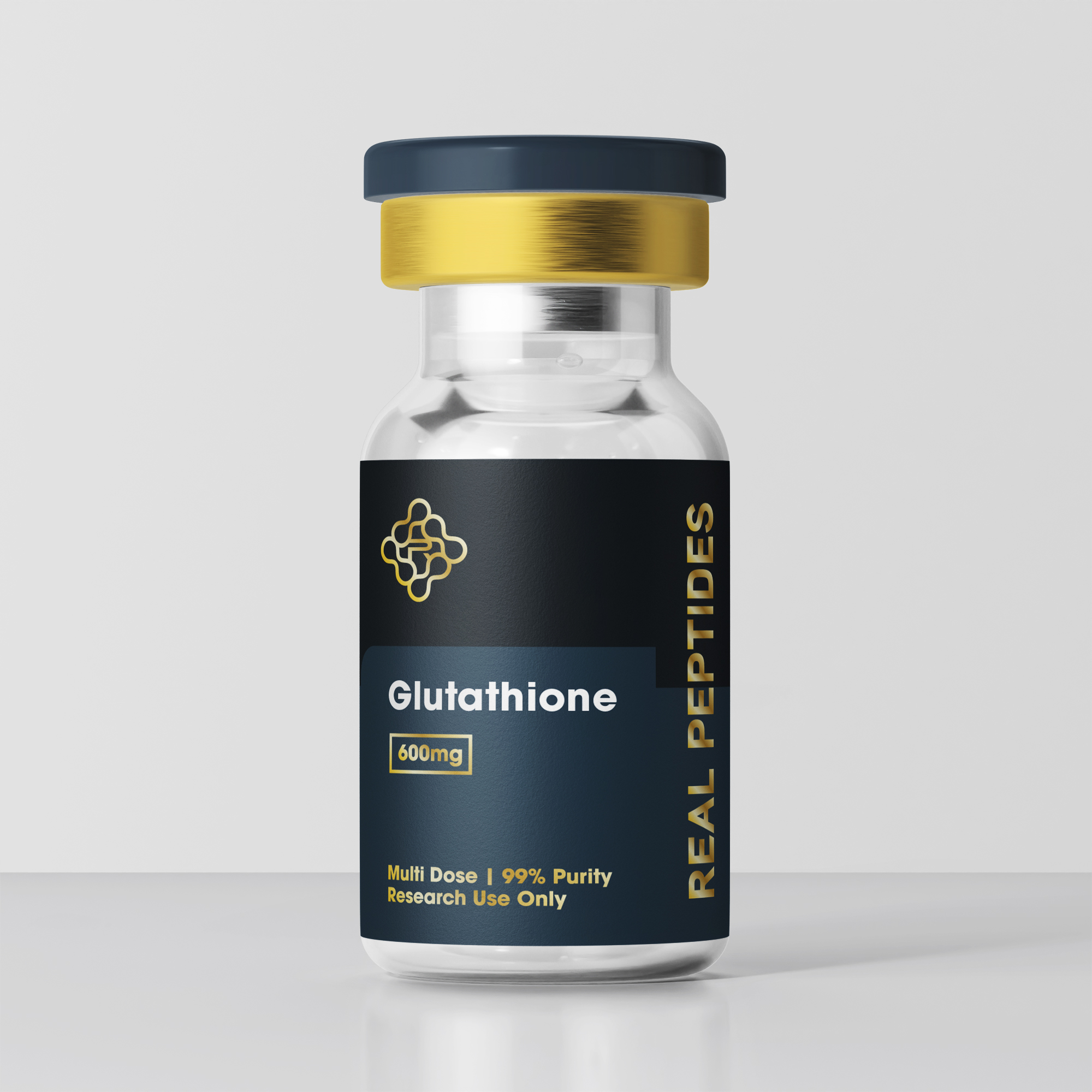
Introduction to Glutathione Injection
Glutathione Injection is widely recognized as one of the most powerful antioxidant support compounds used in modern biochemical research and nutritional science. Glutathione itself is a naturally occurring molecule produced in the human body and is composed of three amino acids: glutamine, glycine, and cysteine. Because of its critical role in cellular protection and detoxification pathways, glutathione has become an important focus in studies related to oxidative stress, immune response, metabolic processes, and overall cellular health.
Researchers studying cellular defense mechanisms frequently examine glutathione due to its unique ability to neutralize harmful free radicals and reactive oxygen species that accumulate within the body. These unstable molecules can damage cells, proteins, and DNA when present in excessive amounts. By acting as a master antioxidant, glutathione helps maintain cellular balance and supports protective biological systems that keep cells functioning properly.
Glutathione Injection provides a form of glutathione that can be delivered directly into the bloodstream through controlled administration environments. This method allows researchers and clinical professionals to explore how increased glutathione availability may influence biological pathways associated with detoxification, antioxidant defense, immune function, and metabolic stability.
In laboratory studies and clinical investigations, injectable glutathione is often examined in relation to liver detoxification systems, cellular repair mechanisms, mitochondrial function, and oxidative stress reduction. These research areas are essential for understanding how the body protects itself against environmental toxins, metabolic byproducts, and inflammatory stressors.
Because glutathione participates in numerous biochemical reactions across nearly every cell type in the body, its role extends far beyond simple antioxidant activity. Scientists often refer to glutathione as the “master antioxidant” because it helps regulate the activity of other antioxidants such as vitamin C and vitamin E, creating a network of cellular protection systems that work together to maintain physiological balance.
As interest in cellular health, longevity research, and metabolic resilience continues to grow, glutathione remains one of the most extensively studied antioxidant molecules in modern biomedical science.
What Is Glutathione?
Glutathione is a tripeptide molecule consisting of three amino acids: glutamate, cysteine, and glycine. It is produced naturally within cells and plays an essential role in protecting tissues from oxidative damage.
Unlike many antioxidants obtained through diet or supplementation, glutathione is synthesized internally by the body. This allows it to participate directly in cellular biochemical reactions that regulate detoxification, immune responses, and metabolic stability.
Glutathione exists in two primary forms within biological systems:
Reduced glutathione (GSH)
This is the active antioxidant form responsible for neutralizing free radicals and maintaining redox balance inside cells.
Oxidized glutathione (GSSG)
After donating electrons to neutralize free radicals, glutathione becomes oxidized and can later be recycled back into its active form.
The balance between these two forms is often used in scientific studies as an indicator of oxidative stress and cellular health.
Researchers examining oxidative stress pathways frequently measure glutathione levels to evaluate how cells respond to environmental stressors, toxins, and metabolic challenges.
Because glutathione is present in nearly every cell in the body, its influence spans multiple biological systems including:
-
Immune defense
-
Liver detoxification
-
Cellular metabolism
-
DNA synthesis
-
Protein repair mechanisms
-
Mitochondrial energy production
Due to this broad range of functions, maintaining adequate glutathione levels is considered essential for supporting overall cellular resilience and metabolic balance.
The Role of Glutathione in Antioxidant Defense
Antioxidants are molecules that neutralize free radicals—unstable compounds capable of damaging cellular structures.
Free radicals are produced naturally during metabolic processes, particularly during the production of energy in mitochondria. They can also arise from external sources such as pollution, toxins, ultraviolet radiation, and chemical exposures.
When free radical production exceeds the body’s ability to neutralize them, oxidative stress occurs. This condition can disrupt cellular stability and contribute to long-term biological damage.
Glutathione serves as one of the body’s most effective defense mechanisms against oxidative stress.
The antioxidant actions of glutathione include:
Neutralizing reactive oxygen species (ROS)
Glutathione donates electrons to unstable molecules, stabilizing them before they damage cellular components.
Supporting detoxification enzymes
Glutathione acts as a cofactor for enzymes involved in detoxifying harmful compounds in the liver.
Recycling other antioxidants
It helps regenerate vitamins C and E after they have neutralized free radicals.
Protecting cellular membranes
Glutathione prevents lipid peroxidation, a process that damages cell membranes.
Because of these functions, researchers frequently study glutathione when examining cellular protection mechanisms and antioxidant defense networks.
How Glutathione Injection Works in Biological Systems
Glutathione Injection introduces glutathione directly into the bloodstream, allowing it to circulate through tissues and participate in biochemical reactions.
In research environments, injectable glutathione allows scientists to explore how increased glutathione levels influence metabolic pathways and oxidative stress responses.
Once present in the bloodstream, glutathione may interact with multiple biological systems including:
Liver detoxification pathways
The liver relies heavily on glutathione to neutralize toxins and metabolic waste products.
Immune system regulation
Glutathione plays a role in supporting immune cell function and inflammatory balance.
Mitochondrial energy production
Healthy mitochondrial activity requires balanced antioxidant systems to prevent oxidative damage.
Cellular repair processes
Glutathione participates in repairing damaged proteins and DNA molecules.
Because these systems are interconnected, changes in glutathione levels can influence numerous physiological pathways simultaneously.
Glutathione and Detoxification Research
One of the most widely studied roles of glutathione involves detoxification processes within the liver.
The liver functions as the body’s primary detoxification organ, processing toxins that originate from food, environmental exposures, and metabolic waste.
Glutathione supports detoxification through a process known as conjugation, in which it binds to harmful compounds to make them easier for the body to eliminate.
This mechanism helps neutralize substances such as:
-
Environmental pollutants
-
Heavy metals
-
Pharmaceutical metabolites
-
Chemical toxins
Researchers investigating detoxification pathways often examine how glutathione levels influence the body’s ability to remove harmful compounds.
Understanding these mechanisms is critical for studying how environmental exposures impact human health.
Glutathione and Immune System Function
The immune system relies on balanced antioxidant activity to function effectively.
Immune cells produce reactive oxygen species as part of their defense against pathogens. However, excessive oxidative stress can impair immune function and damage healthy tissues.
Glutathione helps maintain the balance between protective immune activity and oxidative stress.
In laboratory studies, glutathione is often examined for its influence on:
-
Immune cell activation
-
Inflammatory signaling pathways
-
Cytokine production
-
Cellular defense mechanisms
Maintaining adequate glutathione levels may help support optimal immune system performance.
Glutathione and Skin Research
Glutathione has also become a subject of interest in dermatological research.
Scientists studying skin biology examine glutathione for its potential role in protecting skin cells from oxidative stress caused by ultraviolet radiation and environmental pollutants.
Oxidative damage is a key contributor to premature skin aging and pigmentation irregularities.
Glutathione may support skin health by:
-
Neutralizing free radicals generated by UV exposure
-
Supporting cellular repair processes
-
Influencing melanin production pathways
Because of these mechanisms, glutathione has been explored in cosmetic and dermatological research related to skin tone and cellular protection.
Glutathione and Mitochondrial Health
Mitochondria are the energy-producing structures inside cells responsible for generating ATP.
During energy production, mitochondria produce reactive oxygen species as byproducts. If these molecules accumulate, they can damage mitochondrial structures and impair energy metabolism.
Glutathione plays an essential role in maintaining mitochondrial health by neutralizing these reactive molecules before they cause damage.
Researchers investigating metabolic health frequently study how antioxidant systems influence mitochondrial function and energy efficiency.
Laboratory Quality and Purity Standards
Research compounds used in scientific investigations must meet strict quality standards to ensure reliable experimental outcomes.
Glutathione Injection products are typically produced using pharmaceutical-grade manufacturing processes that ensure:
-
Controlled production conditions
-
Purity verification
-
Sterile packaging
-
Batch traceability
These quality control measures help maintain product stability and reliability for laboratory use.
Product Specifications
Product Name: Glutathione Injection
Compound Type: Antioxidant tripeptide supplement
Active Ingredient: Reduced glutathione
Form: Injectable solution
Category: Antioxidant support compound
Primary Research Focus: Oxidative stress, detoxification pathways, cellular protection
Packaging: Sterile vial
Storage: Refrigerated conditions recommended
Frequently Asked Questions
What is Glutathione Injection used for?
Glutathione Injection is commonly studied for its role in antioxidant defense, detoxification processes, and cellular protection against oxidative stress.
Why is glutathione called the master antioxidant?
Glutathione is referred to as the master antioxidant because it directly neutralizes free radicals while also helping regenerate other antioxidants within the body.
What biological systems rely on glutathione?
Glutathione plays a role in numerous biological systems including liver detoxification, immune function, mitochondrial metabolism, and cellular repair mechanisms.
How is glutathione normally produced in the body?
Cells synthesize glutathione from three amino acids: glutamate, cysteine, and glycine.
Why do researchers study glutathione?
Scientists study glutathione because it is central to cellular defense mechanisms and plays a critical role in protecting tissues from oxidative damage.
Research Use and Safety Notice
Glutathione Injection products should only be handled by qualified professionals and used according to appropriate regulatory guidelines.
Users must ensure compliance with local regulations governing injectable supplements and laboratory compounds.
Conclusion
Glutathione remains one of the most important antioxidant molecules in biological systems. Its ability to neutralize free radicals, support detoxification processes, and maintain cellular balance makes it a critical component of metabolic health and cellular protection.
Researchers continue to investigate glutathione’s role in oxidative stress reduction, immune regulation, mitochondrial stability, and detoxification pathways.
As scientific understanding of cellular health expands, glutathione will likely remain a central focus in studies examining how the body protects itself from environmental and metabolic stressors.
Be the first to review “Glutathione Injection – Injectable Supplement Antioxidant Support”
Related products
Cognitive & Nootropic
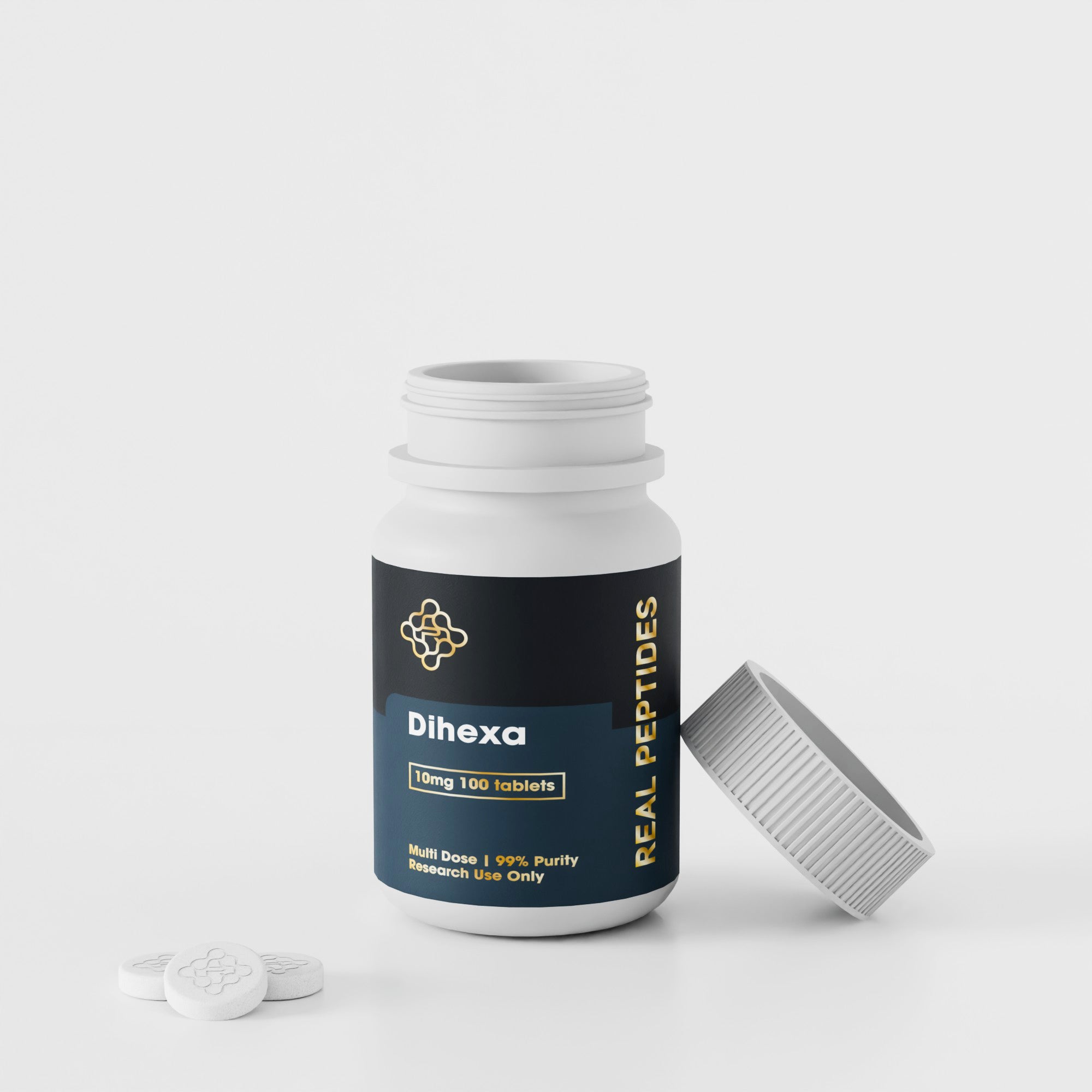
Powerful Dihexa Peptide – Cognitive Enhancing Peptide Tablets for Brain Research
Cognitive & Nootropic
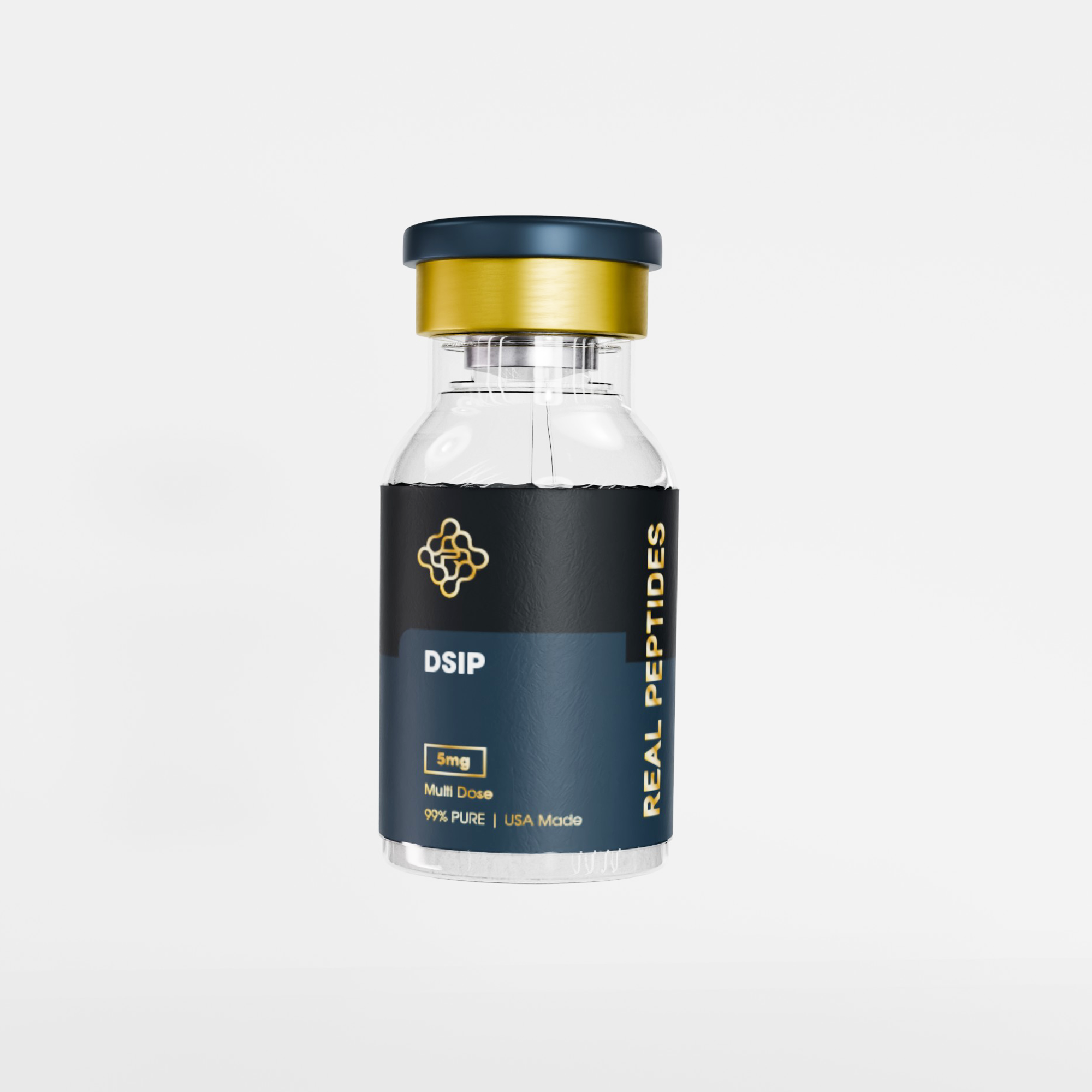
Buy DSIP Peptide 5 mg | Sleep-Regulation & Stress-Response Research
Cognitive & Nootropic
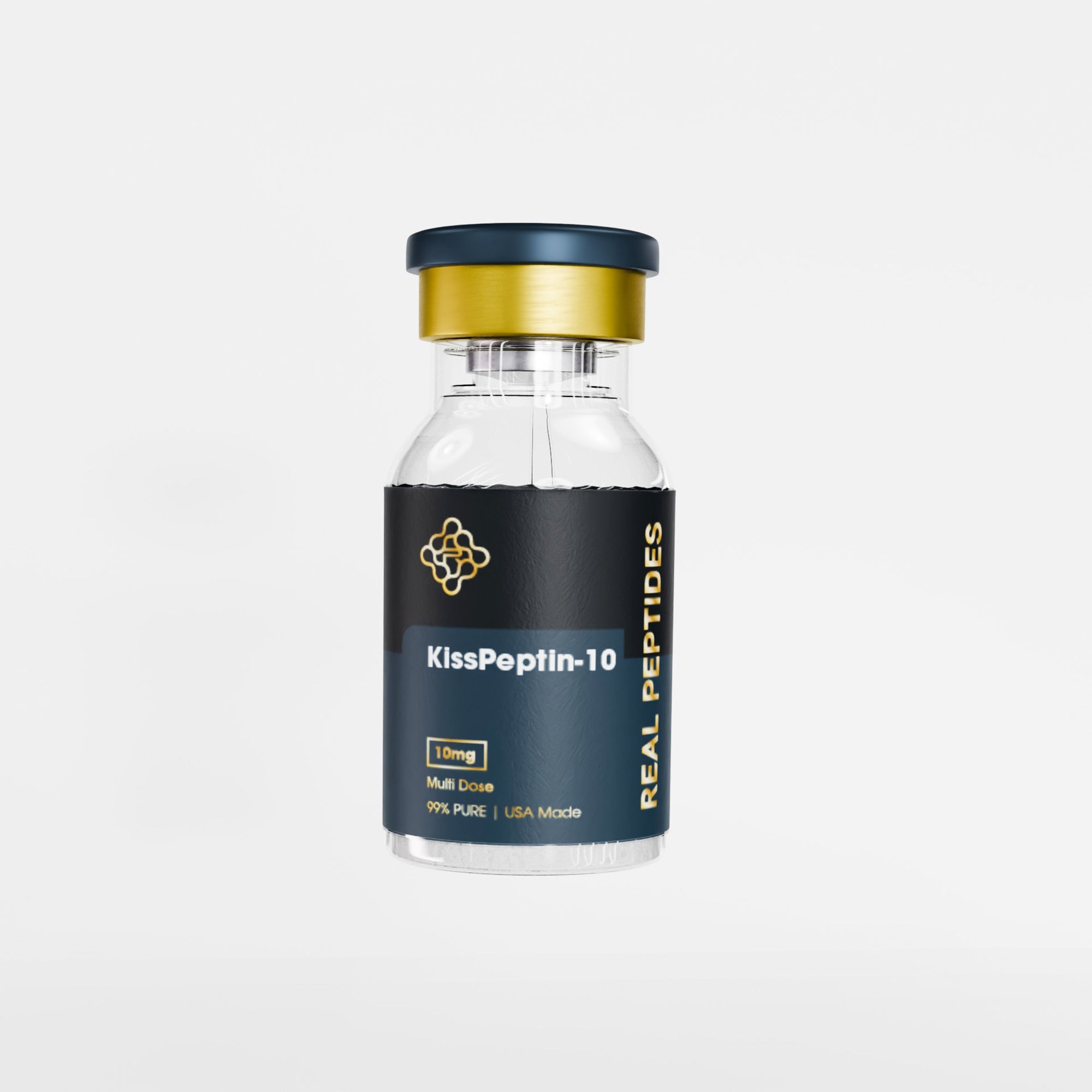
Buy Kisspeptin-10 Peptide 10mg | Reproductive & Neuroendocrine Research

Cognitive & Nootropic
Buy Cerebrolysin Peptide | Injections for Neuroprotection & Cognitive Research
Cognitive & Nootropic
Buy ARA-290 Peptide 16 mg | Cibinetide for Inflammation & Tissue-Repair Research

Cognitive & Nootropic
BAC Reconstitution Water for Peptides – Bacteriostatic Mixing Solution
Reviews
There are no reviews yet.