


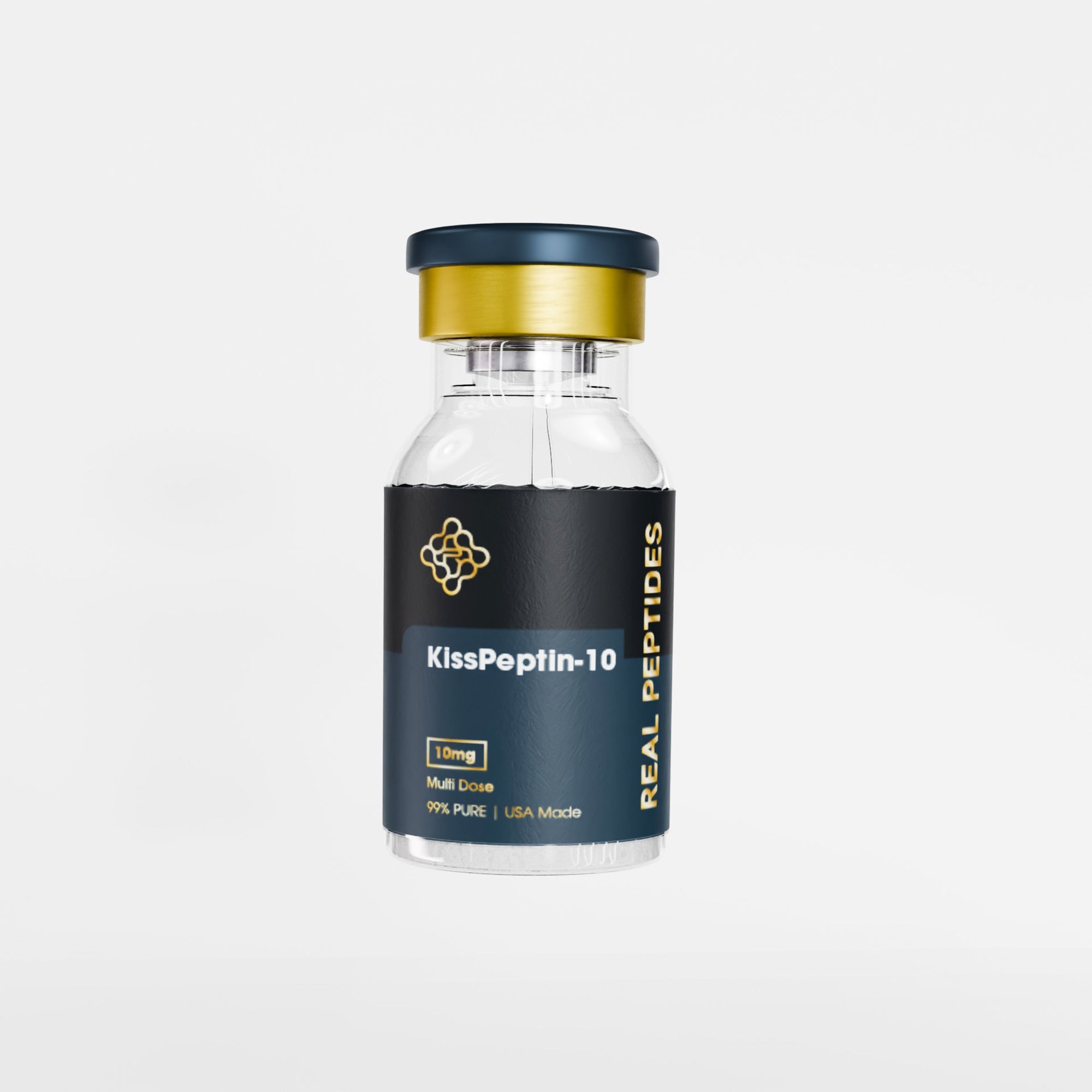
Buy Kisspeptin-10 Peptide 10 mg Online
Buy Kisspeptin-10 Peptide 10 mg online from a trusted supplier providing laboratory-grade peptides for advanced scientific research. Kisspeptin-10 is a synthetic neuropeptide studied extensively in experimental environments focusing on reproductive biology, neuroendocrine communication, and hormonal signaling pathways.
In modern biomedical research, peptides such as Kisspeptin-10 are examined for their role in regulating the hypothalamic-pituitary-gonadal (HPG) axis, one of the most important endocrine systems controlling reproductive hormone signaling.
Kisspeptin peptides interact with the KISS1 receptor (KISS1R) located in the hypothalamus. Activation of this receptor has been shown in laboratory studies to stimulate the release of gonadotropin-releasing hormone (GnRH), which in turn regulates important hormones such as luteinizing hormone (LH) and follicle-stimulating hormone (FSH).
Because of these mechanisms, Kisspeptin-10 has become an important compound in research exploring:
- Neuroendocrine communication pathways
- Reproductive hormone regulation
- Hypothalamic signaling mechanisms
- Fertility biology research
- Hormonal feedback systems
Kisspeptin-10 Peptide 10 mg is supplied as a lyophilized peptide powder produced using controlled peptide synthesis processes. Each vial is packaged for professional laboratory use and scientific investigation.
This compound is supplied strictly for laboratory and in-vitro research purposes only. It is not intended for human consumption, medical treatment, veterinary use, or diagnostic applications.
What Is Kisspeptin-10 Peptide?
Kisspeptin-10 is a biologically active fragment derived from the larger Kisspeptin-54 peptide, encoded by the KISS1 gene.
Kisspeptins were first discovered in research investigating tumor metastasis suppression. However, scientists later identified their critical role in regulating reproductive hormone signaling through interactions with the G-protein-coupled receptor KISS1R.
The Kisspeptin system functions as an upstream regulator of the reproductive endocrine axis.
In laboratory studies, Kisspeptin signaling has been shown to stimulate neurons responsible for releasing GnRH, a hormone that controls the secretion of LH and FSH from the pituitary gland.
These hormones regulate several biological processes related to reproductive function and endocrine communication.
Because of its potent receptor activation properties, Kisspeptin-10 has become one of the most commonly studied fragments of the Kisspeptin family in experimental research.
Discovery of Kisspeptin and the KISS1 Gene
The discovery of Kisspeptin originated from cancer biology research.
Scientists studying tumor metastasis identified a gene known as KISS1, which appeared to suppress the spread of certain cancers.
Further investigation revealed that this gene encoded peptides capable of interacting with a receptor known as GPR54, later renamed KISS1R.
Subsequent research demonstrated that this receptor was expressed in areas of the brain responsible for regulating reproductive hormone signaling.
This discovery led scientists to identify Kisspeptin as a critical regulator of the hypothalamic-pituitary-gonadal axis, a central hormonal system controlling reproductive biology.
Because of these findings, Kisspeptin peptides have become a major subject of neuroendocrine research.
Mechanism of Action
The biological activity of Kisspeptin-10 is primarily associated with its interaction with the KISS1 receptor (KISS1R) located in hypothalamic neurons.
When Kisspeptin-10 binds to this receptor, several signaling pathways are activated within the cell.
These pathways influence the release of gonadotropin-releasing hormone (GnRH) from specialized neurons in the hypothalamus.
Once GnRH is released, it travels to the pituitary gland where it stimulates the secretion of:
- Luteinizing hormone (LH)
- Follicle-stimulating hormone (FSH)
These hormones then influence downstream endocrine organs responsible for producing reproductive hormones.
Because this pathway represents a central regulatory mechanism in endocrine communication, Kisspeptin peptides are frequently studied in neuroendocrine and reproductive biology research.
Role in the Hypothalamic-Pituitary-Gonadal Axis
The hypothalamic-pituitary-gonadal (HPG) axis is one of the most important hormone-regulating systems in the body.
This system coordinates communication between the brain and reproductive organs through a series of hormonal signals.
The process typically follows this sequence:
- Kisspeptin neurons activate GnRH neurons in the hypothalamus.
- GnRH is released and travels to the pituitary gland.
- The pituitary secretes LH and FSH hormones.
- These hormones signal the gonads to regulate reproductive hormone production.
Kisspeptin peptides are considered key regulators of the first step in this process.
Researchers studying reproductive endocrinology analyze how Kisspeptin signaling influences this complex hormonal network.
Neuroendocrine Communication
The neuroendocrine system connects the nervous system with the endocrine system.
This interaction allows the brain to regulate hormonal processes throughout the body.
Peptides such as Kisspeptin-10 act as neuroendocrine signaling molecules, transmitting information between neurons and endocrine cells.
Scientists studying neuroendocrine biology examine how peptide signaling influences hormone release patterns and endocrine communication pathways.
Understanding these processes helps researchers investigate how the brain coordinates physiological responses related to reproduction, metabolism, and growth.
Research Areas Involving Kisspeptin-10
Kisspeptin-10 appears in several experimental research fields related to endocrine regulation and neuronal signaling.
Reproductive Hormone Signaling Research
One of the primary areas of study involving Kisspeptin-10 is reproductive hormone signaling.
Researchers investigate how Kisspeptin peptides regulate GnRH secretion and influence the downstream hormonal cascade within the reproductive endocrine axis.
These studies provide insights into how hormonal communication systems operate at the molecular level.
Neuroendocrine Regulation
Neuroendocrine research focuses on how the brain regulates hormone production throughout the body.
Kisspeptin peptides are central to this process because they influence neurons responsible for initiating endocrine signaling.
Scientists study these interactions to better understand how hormonal rhythms and feedback systems operate.
Fertility and Reproductive Biology Research
Laboratories studying fertility biology frequently examine peptides involved in hormonal communication between the brain and reproductive organs.
Kisspeptin signaling has been linked to mechanisms associated with reproductive hormone release and endocrine feedback regulation.
These studies contribute to a broader understanding of reproductive physiology.
Hormonal Feedback Systems
Hormonal communication often relies on complex feedback loops that regulate endocrine activity.
Kisspeptin neurons respond to hormonal signals such as estrogen and testosterone, helping maintain hormonal balance within the reproductive axis.
Researchers study these feedback mechanisms to understand how hormonal equilibrium is maintained.
Molecular Structure of Kisspeptin-10
Kisspeptin-10 is a 10-amino-acid peptide fragment derived from the larger Kisspeptin precursor protein.
Despite its small size, this peptide retains strong biological activity due to its ability to bind and activate the KISS1 receptor.
Short peptide fragments such as Kisspeptin-10 are often favored in research because they:
- Maintain high receptor specificity
- Are easier to synthesize
- Exhibit strong signaling activity
- Remain stable in controlled laboratory environments
These properties make Kisspeptin-10 suitable for experimental studies examining receptor-mediated signaling pathways.
Laboratory Quality and Purity Standards
Research peptides must meet strict quality standards to ensure reliable experimental results.
High-quality Kisspeptin-10 peptides are typically produced using solid-phase peptide synthesis (SPPS) techniques followed by analytical verification.
Quality control procedures may include:
- High-performance liquid chromatography (HPLC) analysis
- Mass spectrometry verification
- Sterility testing
- Batch traceability documentation
These procedures help ensure that the peptide maintains consistent purity and structural accuracy for scientific research.
Product Specifications
| Specification | Details |
|---|---|
| Product Name | Kisspeptin-10 Peptide |
| Quantity | 10 mg per vial |
| Form | Lyophilized peptide powder |
| Purity | Analytical laboratory grade |
| Category | Synthetic neuroendocrine peptide |
| Research Focus | Reproductive signaling and neuroendocrine regulation |
| Packaging | Sterile sealed research vial |
| Storage | Refrigerated laboratory storage recommended |
| Intended Use | Laboratory and in-vitro research only |
Global Research Availability
Kisspeptin-10 peptides are supplied to research laboratories and scientific institutions across several global regions.
Distribution networks support research communities in:
- North America
- Europe
- Asia-Pacific
- Middle Eastern research sectors
- Selected African research laboratories
Import regulations governing research peptides may vary depending on jurisdiction. Buyers are responsible for verifying compliance with local research chemical regulations before placing orders.
Frequently Asked Questions
What is Kisspeptin-10 peptide used for in research?
Kisspeptin-10 is studied in laboratory environments investigating reproductive hormone signaling, neuroendocrine communication, and GnRH regulatory mechanisms.
What receptor does Kisspeptin-10 activate?
Kisspeptin-10 activates the KISS1 receptor (KISS1R), a G-protein-coupled receptor located in hypothalamic neurons.
What biological system is influenced by Kisspeptin signaling?
Kisspeptin signaling influences the hypothalamic-pituitary-gonadal axis, which regulates reproductive hormone communication.
What form is Kisspeptin-10 supplied in?
The peptide is typically supplied as a lyophilized powder in a sealed research vial.
Which scientific fields study Kisspeptin-10?
Kisspeptin-10 appears in research related to:
- Neuroscience
- Endocrinology
- Reproductive biology
- Molecular biology
- Neuroendocrine research
Research Use Disclaimer
Kisspeptin-10 Peptide 10 mg is supplied strictly for laboratory research purposes only.
This compound is not intended for human consumption, medical treatment, veterinary use, or diagnostic applications. It should only be handled by trained professionals within properly equipped laboratory environments.
By purchasing this product, the buyer acknowledges responsibility for ensuring compliance with applicable research chemical regulations and laboratory safety procedures.
References
Kotani, M., et al. (2001). The metastasis suppressor gene KISS-1 encodes peptide ligands for the G-protein-coupled receptor GPR54.
Seminara, S. B., et al. (2003). The role of GPR54 in the control of puberty and reproductive hormone regulation.
Plant, T. M., & Ramaswamy, S. (2009). Kisspeptin signaling and reproductive neuroendocrine regulation.
Be the first to review “Buy Kisspeptin-10 Peptide 10mg | Reproductive & Neuroendocrine Research”
Related products
Cognitive & Nootropic
Glutathione Injection – Injectable Supplement Antioxidant Support

Cognitive & Nootropic
Buy Cerebrolysin Peptide | Injections for Neuroprotection & Cognitive Research
Cognitive & Nootropic
Buy DSIP Peptide 5 mg | Sleep-Regulation & Stress-Response Research
Cognitive & Nootropic
Buy ARA-290 Peptide 16 mg | Cibinetide for Inflammation & Tissue-Repair Research
Cognitive & Nootropic
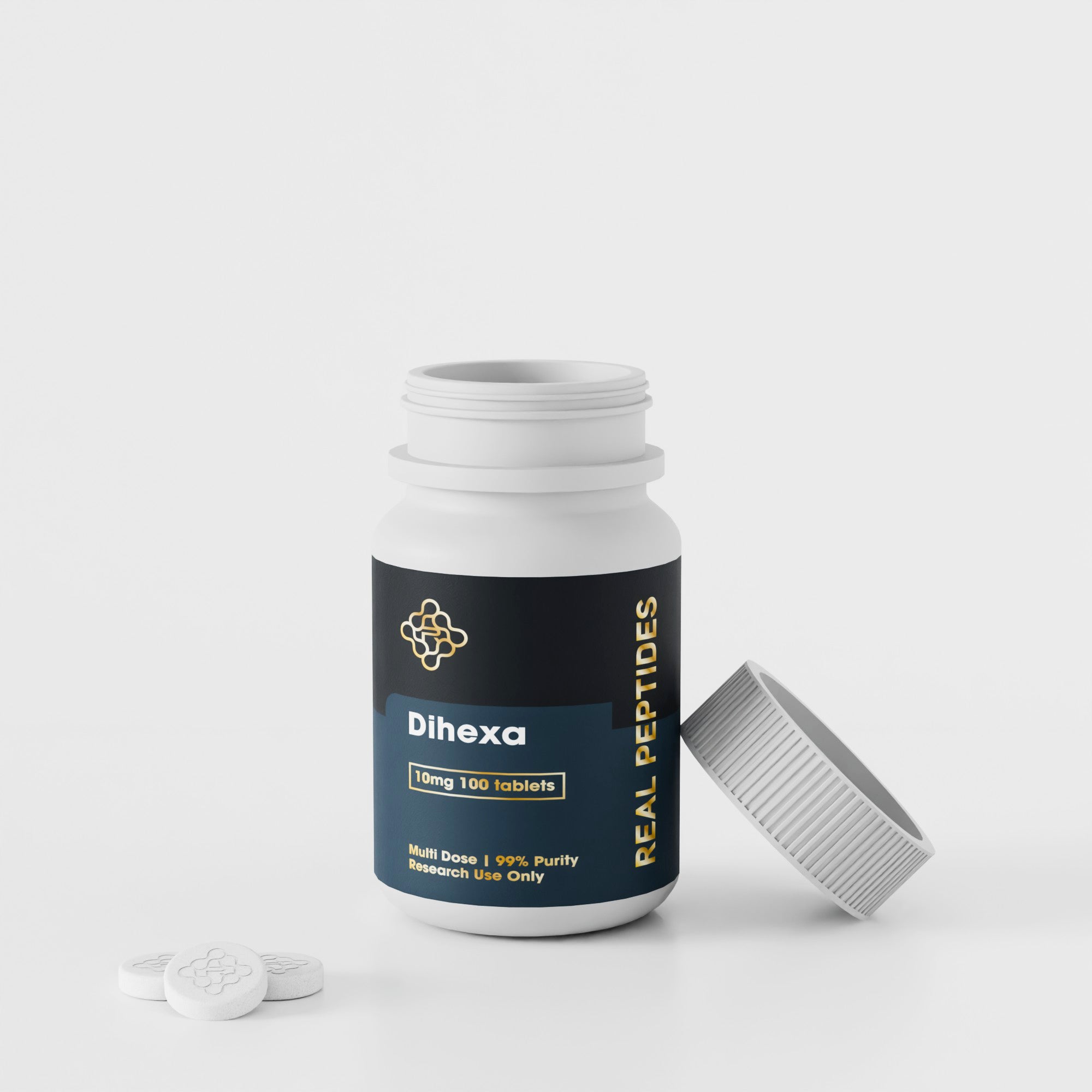
Powerful Dihexa Peptide – Cognitive Enhancing Peptide Tablets for Brain Research

Cognitive & Nootropic
BAC Reconstitution Water for Peptides – Bacteriostatic Mixing Solution
Reviews
There are no reviews yet.