


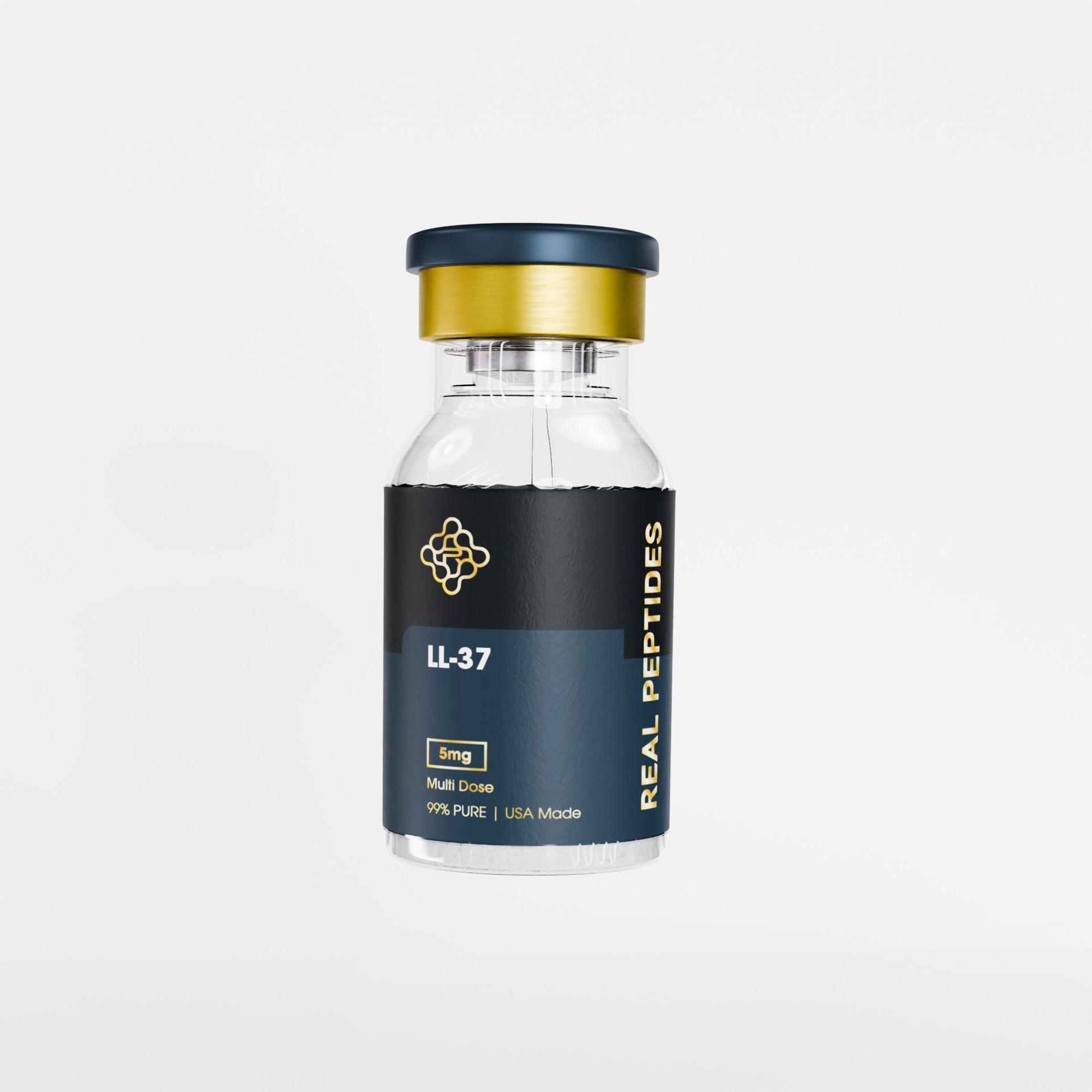
LL-37 Peptide 5 mg – Buy Online for Antimicrobial & Immune Research (2026)
LL-37 Peptide is one of the most powerful antimicrobial peptides studied in modern immunology research. Derived from the human cathelicidin protein family, LL-37 plays a critical role in the body’s natural defense system, supporting immune regulation, microbial control, and tissue repair.
In research environments, LL-37 is studied for its broad-spectrum antimicrobial properties, ability to disrupt bacterial biofilms, and its role in accelerating wound healing and immune signaling.
Think of LL-37 as the special forces unit of the immune system — fast, adaptive, and capable of neutralizing microbial threats while coordinating tissue repair and inflammation control.
Because of its unique dual function — antimicrobial defense and regenerative signaling — LL-37 has become a high-interest peptide in research fields including immunology, microbiology, dermatology, and tissue repair studies.
Mechanism of Action – How LL-37 Protects and Repairs
LL-37 operates as part of the body’s innate immune system, the first line of defense against pathogens. It functions through several complementary biological mechanisms that help control microbial infections while supporting tissue regeneration.
Direct Antimicrobial Activity
LL-37 can disrupt microbial membranes, making it effective against a wide range of pathogens including:
-
Gram-positive bacteria
-
Gram-negative bacteria
-
Fungi
-
Some viruses
By binding to microbial cell membranes, LL-37 destabilizes their structure, leading to rapid pathogen destruction.
Immune System Modulation
Unlike simple antimicrobial compounds, LL-37 also functions as an immune signaling molecule.
Research suggests LL-37 can:
-
Recruit immune cells to infection sites
-
Regulate inflammatory responses
-
Enhance pathogen clearance by immune cells
This dual action helps maintain balanced immune responses during infections.
Biofilm Disruption
Biofilms are protective layers formed by bacteria that make infections difficult to treat. LL-37 has demonstrated the ability to:
-
Break down bacterial biofilms
-
Prevent microbial colonization
-
Increase susceptibility of microbes to immune attack
Because biofilms are involved in many chronic infections, this property makes LL-37 highly valuable in antimicrobial research.
Tissue Repair & Wound Healing
LL-37 also stimulates processes associated with tissue regeneration, including:
-
Cell migration
-
Angiogenesis (new blood vessel formation)
-
Epithelial repair
This regenerative capability makes LL-37 a promising compound in wound healing and dermatological research models.
Detailed Research Benefits – Why LL-37 Is Widely Studied
Broad-Spectrum Antimicrobial Research
LL-37 has demonstrated strong antimicrobial activity across multiple pathogen categories.
Research observations include:
-
Rapid bacterial membrane disruption
-
Suppression of microbial growth
-
Protection against opportunistic pathogens
This makes LL-37 highly relevant in studies exploring antibiotic resistance and alternative antimicrobial strategies.
Immune System Regulation
LL-37 does more than destroy microbes — it helps regulate immune responses.
In laboratory studies, LL-37 has been shown to:
-
Recruit neutrophils and macrophages
-
Support immune cell signaling
-
Balance inflammatory responses during infection
Because of these properties, LL-37 is frequently studied in immune system regulation and inflammatory disease research.
Wound Healing & Tissue Regeneration Research
One of LL-37’s most promising areas of investigation is its role in tissue repair and skin regeneration.
Studies indicate LL-37 may:
-
Accelerate wound closure
-
Stimulate epithelial cell growth
-
Promote blood vessel formation in damaged tissue
These mechanisms have made LL-37 a major interest in dermatology and regenerative medicine research.
Biofilm Disruption Research
Many chronic infections involve bacterial biofilms, which protect microbes from antibiotics and immune defenses.
LL-37 has shown the ability to:
-
Penetrate microbial biofilms
-
Disrupt biofilm structures
-
Prevent bacterial adhesion to surfaces
This property makes LL-37 particularly valuable in microbiology and infection control studies.
Dosage & Administration (Research Protocol Overview)
LL-37 is typically supplied as a lyophilized peptide powder that must be reconstituted before use in laboratory settings.
Typical Research Concentrations
Experimental protocols commonly utilize concentrations ranging from:
50 mcg – 500 mcg per application depending on the research model.
The exact dosage varies depending on:
-
Study design
-
Biological model used
-
Target research outcome
Reconstitution
Researchers typically reconstitute LL-37 using:
-
Sterile bacteriostatic water
-
Sterile saline solution
Proper peptide handling ensures stability and experimental reliability.
Administration Methods in Research
LL-37 is studied through several experimental delivery methods, including:
-
Subcutaneous application models
-
Topical wound-healing studies
-
In vitro cell culture experiments
Administration method depends entirely on the experimental protocol.
Storage & Stability Requirements
Maintaining peptide stability is critical for research accuracy.
Recommended storage guidelines:
-
Store refrigerated at 2–8°C (36–46°F)
-
Protect from heat and direct light
-
Do not freeze after reconstitution
-
Use sterile lab handling procedures
Proper storage preserves peptide structure and experimental consistency.
Side Effects & Safety Considerations (Research Context)
LL-37 is generally well tolerated in research models, though its strong immune-modulating properties require controlled dosing.
Potential observations in studies may include:
-
Localized inflammation at application site
-
Temporary immune activation responses
-
Mild irritation depending on experimental conditions
These effects are typically dose-dependent and manageable under proper laboratory protocols.
Researchers studying LL-37 should ensure:
-
Controlled dosing protocols
-
Proper experimental monitoring
-
Sterile preparation procedures
Comparisons – LL-37 vs Other Antimicrobial Peptides
LL-37 vs Traditional Antibiotics
Traditional antibiotics target specific bacterial processes, which allows bacteria to develop resistance.
LL-37 differs by:
-
Physically disrupting microbial membranes
-
Targeting multiple pathogen types
-
Reducing likelihood of resistance development
This makes LL-37 an important candidate in antibiotic resistance research.
LL-37 vs Other Antimicrobial Peptides
Compared with many antimicrobial peptides, LL-37 offers:
-
Strong immune-modulating capabilities
-
Broad antimicrobial spectrum
-
Tissue regeneration signaling
This multi-functional activity distinguishes LL-37 as one of the most versatile peptides studied in immunology research.
FAQ – LL-37 Peptide Research Questions
What is LL-37 peptide?
LL-37 is a naturally occurring antimicrobial peptide derived from human cathelicidin proteins. It plays a key role in innate immune defense by neutralizing pathogens and regulating immune responses.
What is LL-37 used for in research?
LL-37 is studied in several research fields including:
-
Antimicrobial resistance research
-
Immune system modulation
-
Wound healing and tissue repair
-
Biofilm disruption studies
How does LL-37 fight bacteria?
LL-37 binds directly to microbial cell membranes, destabilizing them and causing rapid cell death. This mechanism makes it effective against many bacterial strains.
Does LL-37 support wound healing research?
Yes. LL-37 has demonstrated the ability to stimulate cell migration, angiogenesis, and epithelial regeneration, which are important processes in wound repair.
How should LL-37 be stored?
LL-37 should be stored refrigerated between 2–8°C and protected from heat, moisture, and light to maintain peptide stability.
Can LL-37 be combined with other peptides?
In research settings, LL-37 may be studied alongside peptides involved in immune modulation or tissue repair to explore potential synergistic effects.
Summary – Why Researchers Choose LL-37
LL-37 is a multifunctional antimicrobial peptide that combines pathogen defense, immune signaling, and regenerative properties in a single compound.
Key advantages include:
-
Broad-spectrum antimicrobial activity
-
Biofilm disruption capabilities
-
Immune system regulation
-
Wound healing and tissue repair support
-
High relevance in antibiotic resistance research
Because of these unique characteristics, LL-37 remains one of the most promising peptides in immunology, microbiology, and regenerative research.
Be the first to review “Buy LL-37 Peptide 5 mg | LL-37 Peptide”
Related products
Gut Health & Regenerative

Gut Health & Regenerative
Buy Cartalax Peptide Online | Cartilage Research & Tissue Support Studies
Gut Health & Regenerative

Gut Health & Regenerative
Gut Health & Regenerative

Gut Health & Regenerative
Buy GHK-Cu Peptide 50 mg | Skin, Hair & Tissue-Repair Research Peptide
Gut Health & Regenerative
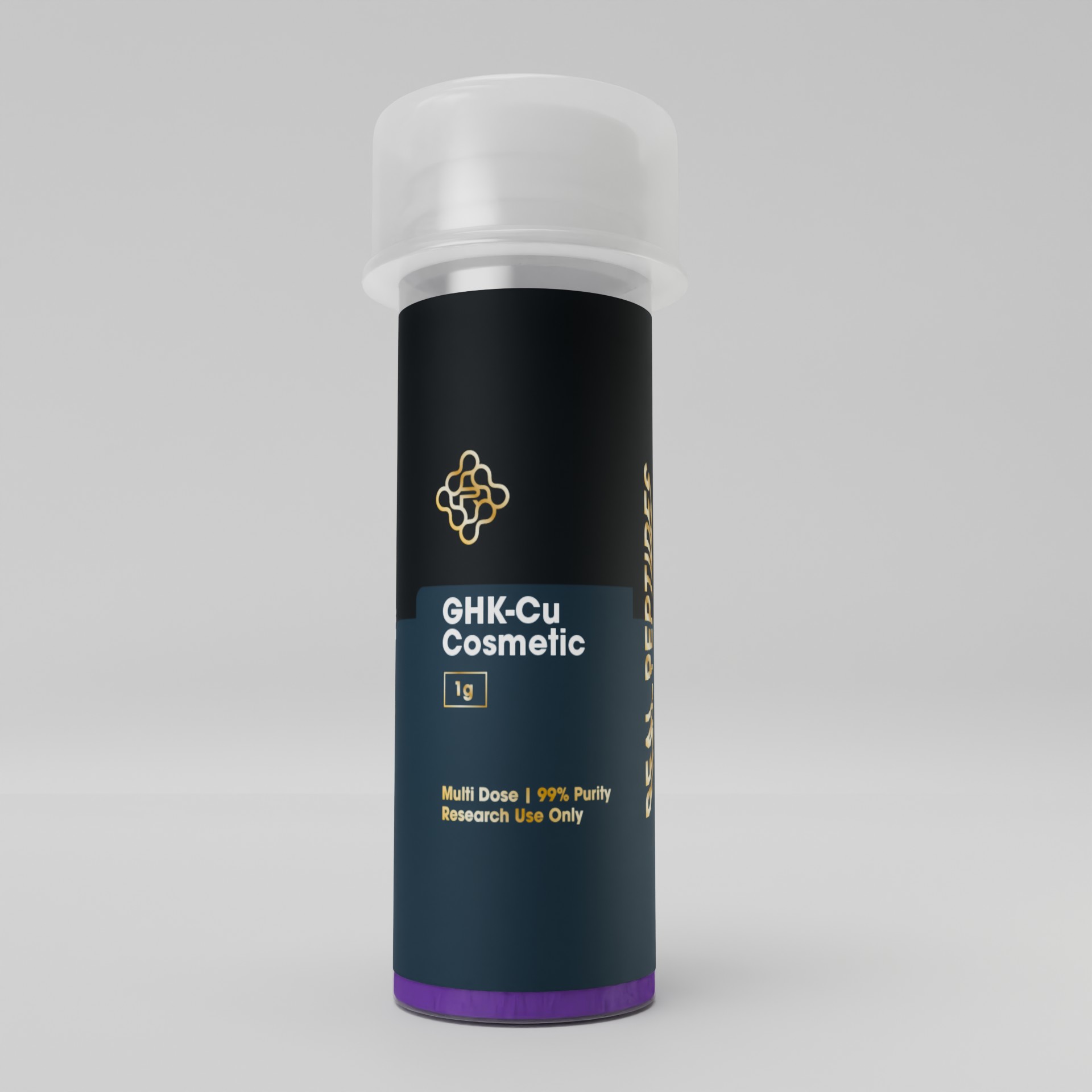
Buy GHK-Cu Cosmetic Peptide Online | Skin Rejuvenation & Anti-Aging Research
Reviews
There are no reviews yet.