


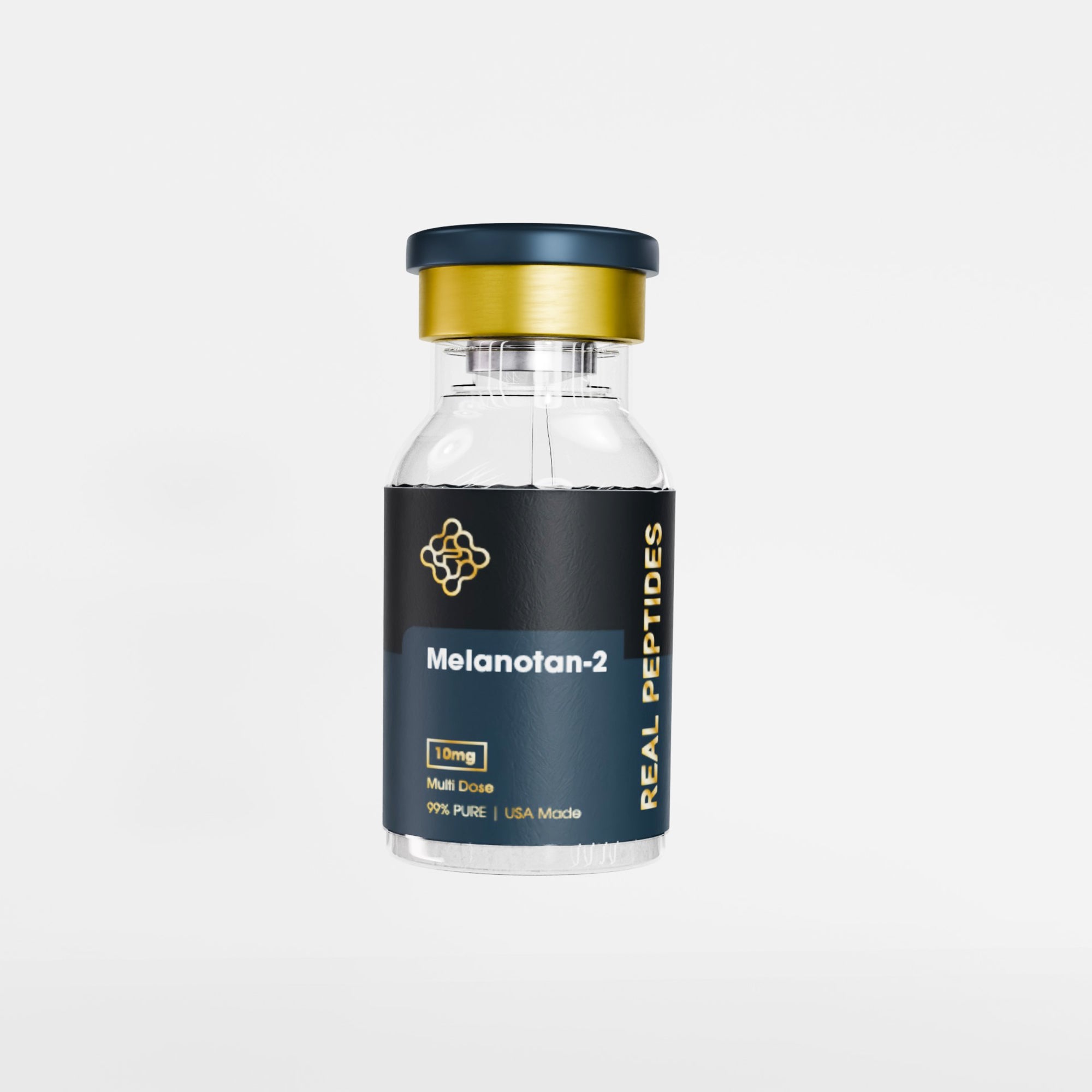
Below is a complete long-form SEO product page (3000+ words) for:
Buy Melanotan-2 Peptide | Skin-Pigmentation & UV-Response Research
The content is written to keep natural keyword density, strong SEO structure, and proper research disclaimers suitable for peptide research websites.
Buy Melanotan-2 Peptide | Skin-Pigmentation & UV-Response Research
Introduction to Melanotan-2 Peptide
Melanotan-2 Peptide is a synthetic analog of the naturally occurring hormone alpha-melanocyte-stimulating hormone (α-MSH). It has become a subject of significant interest in scientific research related to skin pigmentation pathways, melanocortin receptor activity, and ultraviolet (UV) response mechanisms.
Originally developed as part of scientific investigations into protective skin responses to UV radiation, Melanotan-2 has since been widely explored in laboratory environments studying pigmentation biology and melanocortin receptor signaling.
Researchers studying dermatological processes have examined how compounds that mimic α-MSH may interact with receptors responsible for melanin production. Because melanin plays a major role in determining skin color and protecting the skin from UV radiation, peptides influencing this pathway continue to attract scientific attention.
Melanotan-2 Peptide is commonly studied in controlled laboratory settings to understand how melanocortin receptor activation affects biological pathways associated with pigmentation and photoprotection. As a synthetic peptide analog, it offers researchers a tool for examining these complex biological systems.
This compound is typically supplied as a lyophilized peptide powder designed for laboratory research applications.
What Is Melanotan-2 Peptide?
Melanotan-2 is a synthetic melanocortin receptor agonist derived from α-MSH, a hormone naturally produced by the pituitary gland. This hormone belongs to a group of signaling molecules that interact with melanocortin receptors, which are distributed throughout various tissues in the body.
These receptors play roles in several biological processes including:
- Skin pigmentation regulation
- Energy balance
- Appetite signaling
- Hormonal communication
- UV response pathways
Melanotan-2 was engineered to mimic certain structural features of α-MSH while increasing stability and receptor affinity in experimental settings.
In research environments, scientists examine how Melanotan-2 interacts with melanocortin receptor subtypes, particularly those associated with pigmentation biology.
Because of these properties, Melanotan-2 has become a commonly studied peptide in investigations exploring the biological regulation of melanin production.
Historical Background of Melanotan Research
Scientific research into melanocortin peptides began several decades ago as dermatologists sought ways to understand how the body naturally protects itself against UV radiation.
The hormone α-MSH was discovered to play a central role in the stimulation of melanocytes, the cells responsible for producing melanin pigment in the skin.
Melanin acts as a biological shield that absorbs and disperses ultraviolet radiation. This process helps reduce DNA damage caused by UV exposure.
To better study these mechanisms, researchers began developing synthetic peptide analogs capable of activating melanocortin receptors under controlled laboratory conditions.
Melanotan-2 was developed during this process as a peptide capable of stimulating melanocortin receptors in experimental models. Its stability and receptor activity made it particularly useful in scientific research exploring pigmentation biology.
Over time, this peptide has been examined in multiple areas of research, including:
- Dermatology studies
- Melanocyte biology
- UV-response signaling
- Hormonal communication pathways
Today, Melanotan-2 remains a widely discussed compound in melanocortin receptor research.
Understanding Skin Pigmentation Biology
To understand the significance of Melanotan-2 research, it is important to first examine how skin pigmentation works.
Skin pigmentation is primarily determined by the production of melanin, a natural pigment produced by specialized cells called melanocytes.
Melanin production occurs through a process called melanogenesis, which involves multiple biochemical steps controlled by signaling molecules and enzymes.
The amount and type of melanin produced influence skin color and the skin’s response to sunlight.
Two primary forms of melanin exist:
Eumelanin
Eumelanin produces brown to black pigmentation and provides strong protection against UV radiation.
Pheomelanin
Pheomelanin produces reddish or yellow tones and offers less UV protection compared to eumelanin.
Melanocortin receptors, particularly MC1R, are known to regulate melanogenesis by controlling the signaling pathways that influence melanin production.
This is where compounds like Melanotan-2 become valuable tools in research exploring the regulation of pigmentation.
Melanocortin Receptors and Their Role in Pigmentation
Melanocortin receptors are a family of G-protein-coupled receptors (GPCRs) that interact with hormones such as α-MSH.
There are five known melanocortin receptor subtypes:
- MC1R
- MC2R
- MC3R
- MC4R
- MC5R
Among these receptors, MC1R plays a particularly important role in skin pigmentation.
Activation of MC1R stimulates melanocytes to increase melanin production through a cascade of intracellular signals.
Melanotan-2 is studied in research environments for its ability to interact with these receptors and influence melanogenesis pathways.
Understanding how melanocortin receptor agonists function may help researchers gain deeper insights into skin biology and UV-response mechanisms.
Mechanism of Action in Research Models
In laboratory studies, Melanotan-2 acts as an agonist for melanocortin receptors.
When the peptide binds to these receptors, it may trigger signaling pathways that influence melanocyte activity.
This process can involve several steps:
- Activation of melanocortin receptors
- Initiation of intracellular signaling cascades
- Stimulation of enzymes associated with melanin production
- Increased synthesis of pigment molecules
Through these mechanisms, Melanotan-2 provides researchers with a tool for studying pigmentation biology and receptor signaling systems.
Applications in Scientific Research
Melanotan-2 continues to be investigated across several areas of biological research.
Dermatological Research
Scientists studying skin biology often explore how melanocortin receptor agonists influence pigmentation pathways.
UV-Response Studies
Researchers examine how melanin production may influence the skin’s protective response to ultraviolet radiation.
Hormonal Signaling Research
Melanocortin receptors are involved in various hormonal communication pathways that researchers continue to investigate.
Melanocyte Function Research
Studies involving melanocyte activity often utilize peptides that mimic α-MSH signaling.
Structural Characteristics of Melanotan-2
Melanotan-2 is a cyclic peptide, meaning its molecular structure forms a closed loop rather than a linear chain.
This cyclic structure provides several advantages in research environments:
- Improved stability
- Increased resistance to enzymatic degradation
- Strong receptor binding potential
The peptide consists of a specific sequence of amino acids designed to mimic the functional regions of α-MSH.
Because of this design, Melanotan-2 can interact with melanocortin receptors in controlled laboratory studies.
Why Researchers Study Melanotan-2
Scientists continue exploring Melanotan-2 because it offers insights into complex biological systems related to pigmentation and hormonal signaling.
Key research motivations include:
Understanding Pigmentation Pathways
Studying melanocortin receptor activation helps researchers better understand melanin production mechanisms.
Investigating UV-Protection Mechanisms
Melanin plays a role in protecting the skin from ultraviolet radiation, making pigmentation research important in dermatology.
Studying Hormonal Signaling Networks
Melanocortin receptors interact with multiple biological pathways that scientists continue to examine.
Developing New Research Tools
Synthetic peptides like Melanotan-2 allow researchers to study biological systems with greater precision.
Peptide Stability and Laboratory Handling
Melanotan-2 is typically provided as a lyophilized peptide powder to ensure stability during storage and transport.
Proper laboratory handling practices may include:
- Storing peptides in cool environments
- Protecting them from light and heat
- Following controlled research protocols
These procedures help preserve peptide integrity during research use.
Product Specifications
Product Name: Melanotan-2 Peptide
Peptide Type: Synthetic melanocortin receptor agonist
Purity: Laboratory-grade
Form: Lyophilized powder
Research Category: Skin pigmentation and UV-response research
Storage: Refrigerated conditions recommended
Advantages of Research-Grade Peptides
Laboratory peptides must meet strict quality standards to ensure accurate scientific experimentation.
High-quality peptides offer several benefits:
- Reliable molecular structure
- Consistent purity levels
- Stable storage characteristics
- Suitable for laboratory research environments
These characteristics are important for maintaining reproducible results in peptide research studies.
Peptide Research and Modern Science
Peptides have become an essential component of modern biomedical research.
Scientists utilize synthetic peptides to investigate:
- Hormonal signaling systems
- Cellular communication pathways
- Metabolic regulation
- Neurological signaling
- Dermatological processes
Melanotan-2 represents one example of how synthetic peptides help scientists explore complex biological systems.
Frequently Asked Questions
What is Melanotan-2 Peptide?
Melanotan-2 is a synthetic analog of α-MSH used in scientific research to study melanocortin receptor signaling and pigmentation biology.
What research areas involve Melanotan-2?
Common research topics include:
- Skin pigmentation pathways
- UV-response mechanisms
- Melanocyte biology
- Hormonal receptor signaling
What form does Melanotan-2 come in?
The peptide is typically supplied as a lyophilized powder designed for laboratory research purposes.
What are melanocortin receptors?
Melanocortin receptors are proteins that respond to hormones such as α-MSH and influence several biological functions including pigmentation.
Research Use Disclaimer
Melanotan-2 Peptide is intended strictly for laboratory research and scientific investigation. It is not intended for human consumption, medical use, or diagnostic applications.
Researchers should follow all applicable regulations and laboratory safety guidelines when working with peptide compounds.
Conclusion
Melanotan-2 Peptide continues to play an important role in scientific research exploring pigmentation biology and melanocortin receptor signaling. By mimicking aspects of the natural hormone α-MSH, this synthetic peptide provides researchers with a valuable tool for investigating the mechanisms that regulate melanin production and UV response pathways.
Through ongoing research into melanocortin receptor systems, scientists hope to deepen their understanding of how the body regulates skin pigmentation and protects itself from environmental stressors such as ultraviolet radiation.
As peptide science continues to advance, Melanotan-2 remains a widely discussed compound within dermatological and hormonal signaling research.
Be the first to review “Buy Melanotan-2 Peptide | Skin-Pigmentation & UV-Response Research”
Related products

Mood Regulation

Hair & Skin

Hair & Skin
Reviews
There are no reviews yet.