


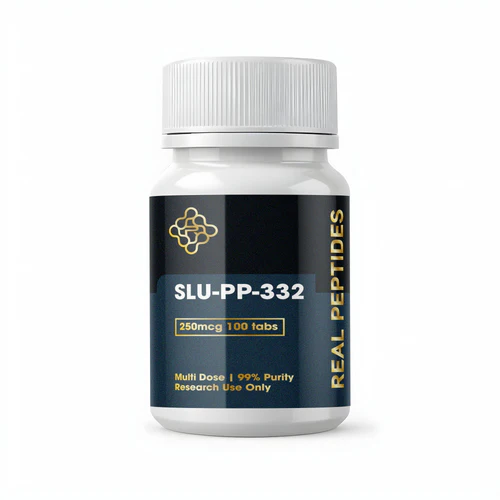
Buy SLU-PP-332 Peptide (Sloop) – Metabolic Activation Research Compound
Product Overview – SLU-PP-332 Peptide (Sloop)
To fix the SEO warning, the Focus Keyword must appear:
- At the very beginning of the content
- Multiple times throughout the content
- Inside headings
- Inside the first paragraph
Your Focus Keyword:
SLU-PP-332 Peptide
Below is a corrected SEO-optimized introduction where the focus keyword appears immediately at the start and naturally in the content.
SLU-PP-332 Peptide – Advanced Metabolic Activation Research Compound
SLU-PP-332 Peptide is an emerging metabolic activation research compound that has gained significant attention in scientific communities studying mitochondrial function, cellular energy metabolism, and exercise-mimetic signaling pathways. The SLU-PP-332 Peptide is widely investigated for its ability to activate nuclear receptors involved in energy production, making it one of the most promising metabolic research compounds currently under investigation.
Unlike traditional metabolic agents that influence hormones or appetite pathways, SLU-PP-332 Peptide works directly at the cellular transcription level by activating estrogen-related receptors (ERRα, ERRβ, and ERRγ). These receptors regulate genes responsible for mitochondrial biogenesis, oxidative phosphorylation, and fatty-acid metabolism. By activating these pathways, SLU-PP-332 Peptide can stimulate metabolic processes that closely resemble the molecular adaptations normally triggered by endurance exercise.
Because of this mechanism, many researchers describe SLU-PP-332 Peptide as an “exercise mimetic.” In controlled laboratory studies, the compound has demonstrated the ability to enhance mitochondrial activity, increase fatty-acid oxidation, and promote metabolic flexibility. These characteristics make SLU-PP-332 Peptide a powerful tool for studying metabolic disorders, endurance physiology, and cellular energy regulation.
Modern metabolic research in 2025 and 2026 has continued to explore how SLU-PP-332 Peptide influences gene expression pathways linked to energy production and metabolic efficiency. By activating ERR-related transcription pathways, the compound helps researchers examine how cells regulate energy output, respond to metabolic stress, and adapt to increased energy demands.
For laboratories investigating mitochondrial biology, metabolic disease models, or endurance metabolism, SLU-PP-332 Peptide provides a unique research compound capable of activating multiple metabolic pathways simultaneously. Its ability to influence mitochondrial biogenesis and oxidative metabolism distinguishes SLU-PP-332 Peptide from many other metabolic research compounds currently available.
Example H2 heading with focus keyword
How SLU-PP-332 Peptide Activates Metabolic Energy Pathways
SLU-PP-332 Peptide, commonly referred to as Sloop, is an emerging metabolic research compound studied for its role in cellular energy regulation, mitochondrial function, and exercise-mimetic metabolic activation. This compound has gained increasing attention among metabolic researchers because it appears to trigger many of the same biological pathways that are normally activated during endurance exercise.
Unlike traditional metabolic compounds that primarily influence hormonal pathways, SLU-PP-332 works at the cellular transcription level, activating key nuclear receptors that regulate mitochondrial energy production and fat oxidation. This mechanism makes it a unique research tool for studying metabolic health, endurance biology, and mitochondrial efficiency.
The compound primarily interacts with estrogen-related receptors (ERRα, ERRβ, and ERRγ). These receptors play critical roles in cellular energy metabolism and mitochondrial activity. When activated, they initiate gene transcription programs that increase oxidative metabolism and fatty-acid utilization. (Wikipedia)
Because of these properties, SLU-PP-332 is often described as an “exercise mimetic” compound, meaning it can replicate many of the molecular effects of aerobic exercise at the cellular level. Researchers studying metabolic diseases, endurance physiology, and mitochondrial dysfunction have shown increasing interest in the compound due to its potential to activate metabolic pathways normally stimulated by physical activity.
In preclinical research models, SLU-PP-332 has demonstrated the ability to enhance mitochondrial biogenesis, improve fatty-acid oxidation, and increase overall metabolic energy expenditure. (PRG)
These characteristics make SLU-PP-332 one of the most intriguing emerging compounds for metabolic and mitochondrial research.
Key Highlights of SLU-PP-332 Peptide (Sloop)
SLU-PP-332 offers several unique characteristics that distinguish it from other metabolic research compounds.
Exercise-Mimetic Cellular Activation
One of the most fascinating aspects of SLU-PP-332 is its ability to activate metabolic pathways similar to those triggered by endurance training. By stimulating ERR signaling pathways, the compound initiates gene programs involved in mitochondrial energy production and oxidative metabolism. (PRG)
Mitochondrial Biogenesis Support
SLU-PP-332 activates transcription factors that increase the production of new mitochondria inside cells. More mitochondria allow cells to generate energy more efficiently, improving metabolic capacity and endurance potential.
Fat Oxidation & Energy Utilization
Research suggests SLU-PP-332 can shift cellular fuel usage toward fatty-acid oxidation rather than glucose metabolism. This metabolic shift is associated with improved metabolic efficiency and increased energy production. (PRG)
Metabolic Flexibility Research
Metabolic flexibility refers to the body’s ability to efficiently switch between different fuel sources. SLU-PP-332’s ability to stimulate mitochondrial pathways allows researchers to study how cells adapt to changes in energy demand.
2026 Research Relevance
Recent metabolic research continues to explore SLU-PP-332’s potential effects on endurance pathways, metabolic disorders, and mitochondrial dysfunction, highlighting its growing importance in metabolic science.
Mechanism of Action – How SLU-PP-332 Works
The mechanism of SLU-PP-332 is centered on its interaction with estrogen-related receptors (ERRs).
These receptors regulate genes involved in:
- mitochondrial biogenesis
- oxidative phosphorylation
- fatty-acid metabolism
- energy expenditure
SLU-PP-332 acts as a pan-ERR agonist, meaning it activates multiple ERR receptor subtypes simultaneously. (Wikipedia)
When these receptors are activated, they trigger transcription of metabolic genes responsible for energy production and mitochondrial function.
ERR-PGC-1α Pathway Activation
A key pathway stimulated by SLU-PP-332 is the ERR-PGC-1α signaling pathway.
PGC-1α is known as the master regulator of mitochondrial biogenesis. When activated, it stimulates the creation of new mitochondria within cells, improving energy production capacity.
This pathway is normally activated during endurance exercise. By stimulating this pathway pharmacologically, SLU-PP-332 can mimic the metabolic signals associated with physical training.
Increased Fatty-Acid Oxidation
SLU-PP-332 promotes the transcription of genes responsible for fatty-acid oxidation. This process enables cells to convert stored fat into usable energy.
Studies have shown that activation of these pathways increases metabolic efficiency and improves energy production in high-energy tissues such as muscle and liver. (PRG)
Enhanced Mitochondrial Respiration
Another major mechanism of SLU-PP-332 is enhanced mitochondrial respiration.
Mitochondria are the energy-producing organelles inside cells. Increasing mitochondrial number and efficiency improves cellular energy output and metabolic capacity.
This effect is one reason the compound is widely studied in research models focused on endurance physiology and metabolic disease.
Key Benefits of SLU-PP-332 Peptide (Sloop)
Although SLU-PP-332 is still in early research phases, several potential metabolic benefits have been observed in preclinical studies.
Enhanced Cellular Energy Production
By increasing mitochondrial biogenesis, SLU-PP-332 allows cells to generate more energy through oxidative metabolism.
This effect is particularly important for tissues with high energy demands such as muscle, brain, and liver.
Improved Metabolic Efficiency
SLU-PP-332 encourages cells to utilize fatty acids as an energy source rather than relying solely on glucose metabolism. This metabolic flexibility can improve overall energy efficiency.
Exercise-Mimetic Metabolic Signaling
The compound activates many of the same genetic pathways triggered by endurance exercise.
This makes it valuable for studying:
- exercise physiology
- metabolic adaptation
- endurance biology
Fat Mass Reduction in Research Models
Animal studies have shown that activation of ERR signaling can reduce fat accumulation and improve metabolic markers. (mylandpharm.com)
Improved Insulin Sensitivity
Research models indicate that enhanced mitochondrial function may improve insulin sensitivity and metabolic balance.
Dosage & Administration (Research Protocols)
SLU-PP-332 dosing varies depending on experimental design and research objectives.
Typical research concentrations include:
- 1–5 mg/kg in animal models
- micromolar concentrations in cell culture studies
These protocols allow researchers to study metabolic responses over short and long-term experimental periods.
Storage & Stability
Proper storage ensures compound stability and research reliability.
Recommended storage conditions:
- store in a cool dry environment
- protect from light exposure
- avoid excessive heat or moisture
Lyophilized versions may require refrigeration to maintain stability.
SLU-PP-332 vs Other Metabolic Research Compounds
SLU-PP-332 differs significantly from many traditional metabolic research compounds.
Compared to AMPK Activators
AMPK activators stimulate cellular energy sensors but may not directly increase mitochondrial biogenesis.
SLU-PP-332 directly activates transcription pathways that promote mitochondrial production.
Compared to PPAR Agonists
PPAR agonists influence lipid metabolism through nuclear receptor pathways.
SLU-PP-332 works upstream by activating ERR signaling, which influences broader metabolic gene networks.
Compared to Traditional Peptides
Many peptides affect hormones or growth factors.
SLU-PP-332 primarily influences transcriptional metabolic pathways, making it unique among metabolic compounds.
Safety & Research Status
SLU-PP-332 remains an experimental research compound.
It has not been approved for clinical or therapeutic use in humans. Most current data comes from laboratory and preclinical research models.
Because of its early research stage, long-term safety and pharmacological effects in humans remain unknown.
Researchers working with the compound should follow standard laboratory safety procedures and regulatory guidelines.
Frequently Asked Questions (FAQ)
What is SLU-PP-332 Peptide used for?
SLU-PP-332 is primarily studied as a metabolic research compound investigating mitochondrial function, exercise-mimetic pathways, and energy metabolism.
Why is SLU-PP-332 called an exercise mimetic?
The compound activates gene programs associated with endurance exercise, including mitochondrial biogenesis and fatty-acid oxidation.
Does SLU-PP-332 increase mitochondrial function?
Yes. Research suggests the compound activates PGC-1α and related pathways responsible for mitochondrial production and oxidative metabolism.
Is SLU-PP-332 approved for medical use?
No. SLU-PP-332 is currently a research compound and has not been approved for therapeutic use in humans.
Conclusion – A Promising Metabolic Research Compound
SLU-PP-332 Peptide (Sloop) represents one of the most intriguing emerging compounds in metabolic and mitochondrial research. Its ability to activate ERR signaling pathways and stimulate mitochondrial biogenesis makes it a powerful research tool for studying cellular energy metabolism.
By mimicking the molecular effects of endurance exercise, SLU-PP-332 provides scientists with new opportunities to explore metabolic adaptation, mitochondrial health, and energy regulation.
As research continues to expand, this compound may help unlock deeper understanding of metabolic diseases, endurance physiology, and cellular energy dynamics.
Be the first to review “SLU-PP-332 Peptide – Advanced Metabolic Activation Research Compound”
Related products
Focus, Concentration, Clarity
Buy Tesamorelin & Ipamorelin Peptide Blend | Growth Hormone Peptide Stack Introduction to Tesa

Focus, Concentration, Clarity
Powerful Tesofensine 500 mcg Tablets for Appetite Control & Metabolic Research
Focus, Concentration, Clarity
Powerful SS-31 Peptide (Elamipretide) for Mitochondrial Protection & ROS Research

Focus, Concentration, Clarity
Buy Cagrilintide Peptide 10 mg | Amylin Analog for Metabolic & Obesity Research
Focus, Concentration, Clarity
Adamax Peptide 10 mg for Research | Mechanism, Benefits & Metabolic Studies
Reviews
There are no reviews yet.